Insight
Beyond the Hotel: The New Geography of Hospitality
Share:
A New Generation of Hospitality Destinations
For a long time, hospitality was relatively easy to define. There were hotels, resorts, restaurants and private clubs, each with their own conventions and fairly predictable customer journeys. Today, some of the most interesting projects are the ones that refuse to sit comfortably within any of those categories. A marina becomes somewhere to spend the weekend even if you don’t own a boat. A golf course becomes a social, sporting and wellness destination. Restaurants become reasons to visit a neighbourhood rather than simply places to eat once you are there. Sport, food, wellness, marine, residential and social life begin to overlap, and the more interesting question becomes not what a place is, but why people choose to spend their time there.
It is a shift we are seeing increasingly across Asia, and one that is changing the role of hospitality branding and design. Creating an identity and applying it across a series of touchpoints is no longer enough when the product itself is becoming more complex. For ADELAHAYE, much of the more interesting work now begins considerably earlier, with brand strategy, customer experience and customer journey: understanding how a destination should work, who it should attract and how its different components should relate to one another before deciding how the brand should look or speak.
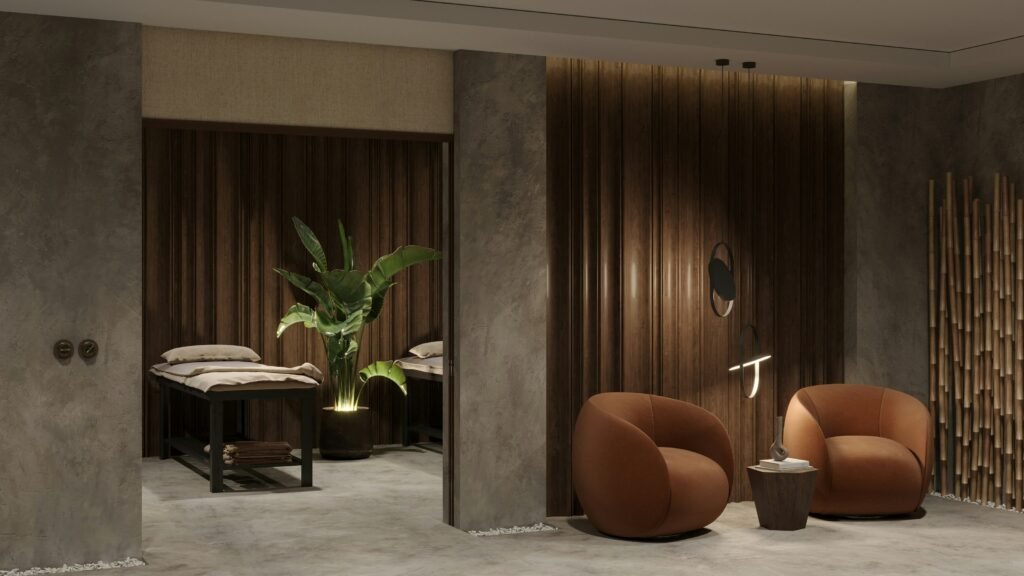
Bali Beach Country Club in Nusa Dua is a good example. Built around an established 18-hole golf course, the wider destination brings together an ATP-standard tennis venue, padel, spa and wellness, and four distinct restaurants. On a masterplan these might appear to be a collection of separate amenities, but viewed through the lens of hospitality they have the potential to form something considerably more interesting. Golf provides the landscape and heritage of the place, but it does not need to dictate the experience. Someone can arrive for coffee, meet friends for lunch, play tennis in the afternoon or spend a morning at the spa without ever picking up a golf club. The opportunity is to create the ease and familiarity of a contemporary country club while opening it to a much broader idea of how people now spend their leisure time.
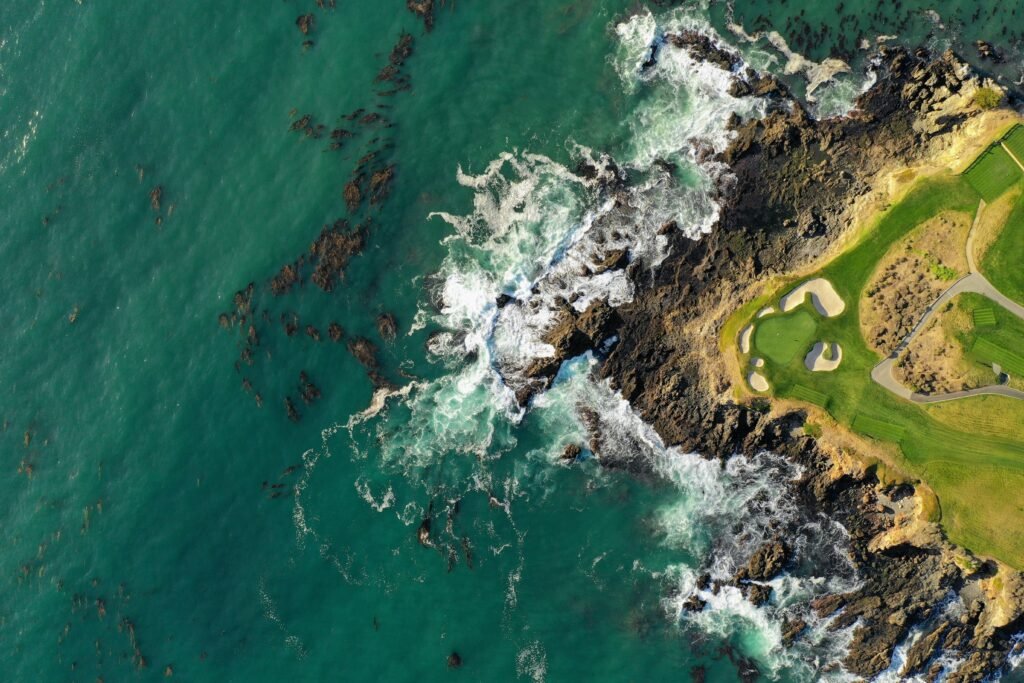
That changes the branding question considerably. It is no longer simply a matter of branding a golf club, a tennis venue, a wellness facility and four restaurants. The brand needs to create a relationship between them. It needs to make sense of how someone discovers the destination, arrives, moves through it, spends time there and finds reasons to return. In this context, customer journey design becomes as important as visual identity. The experience is constructed through hundreds of seemingly small decisions: what you encounter first, where you naturally gravitate towards, whether breakfast feels as relevant as dinner, whether the spa guest feels as comfortable as the golfer and whether the overall destination has enough life to encourage another hour rather than simply another transaction.
Perhaps an even clearer expression of this changing hospitality landscape can be found in the marina. Marinas are fascinating places from a branding perspective because they have traditionally been approached almost entirely from the water outwards. Their communications begin with berths, technical specifications, fuel, provisioning, security and marine services. All of these remain essential, particularly when serving larger yachts and the international superyacht community, but they tell only part of the story. The best marinas have always offered something less tangible alongside the infrastructure: the feeling of arriving somewhere.
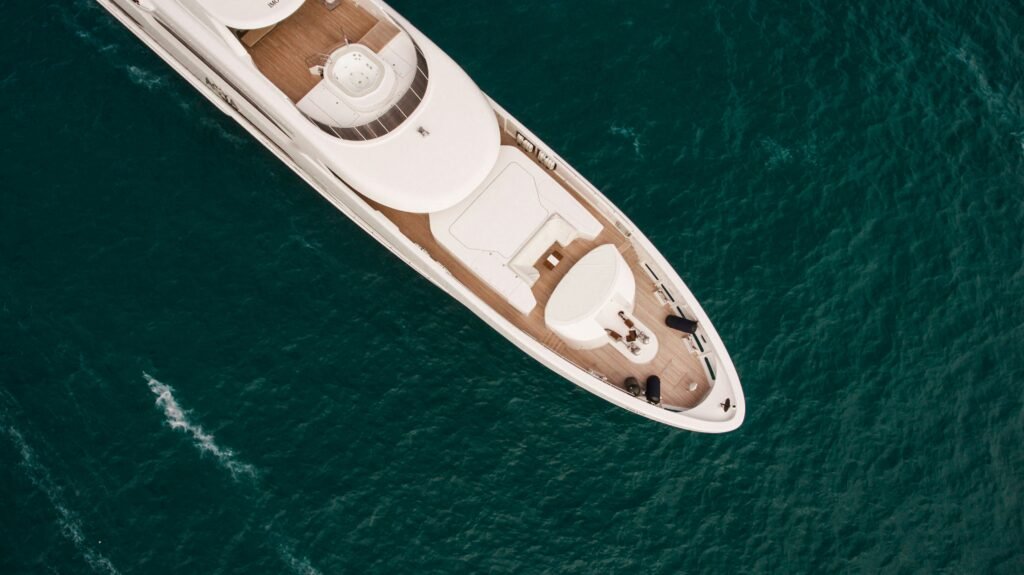
This is where marina branding begins to overlap with hospitality branding.
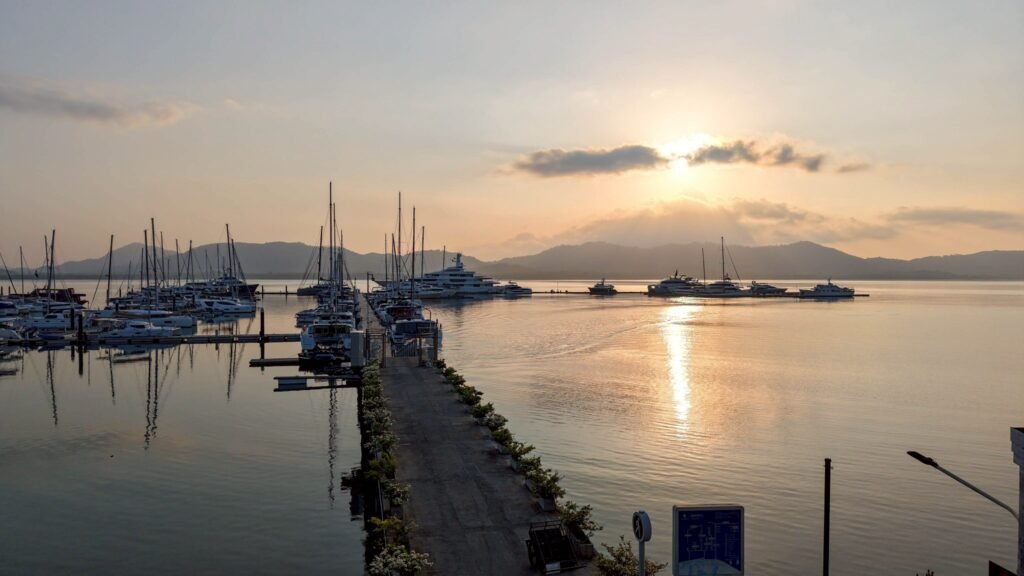
ADELAHAYE’s recent engagement with Phuket Yacht Haven is centred around precisely this opportunity. Phuket Yacht Haven is already an established marina with significant marine infrastructure and the capability to accommodate the international yachting and superyacht market. The intention is not to disguise that function beneath a layer of lifestyle branding, but to use it as the foundation for something broader: a multifaceted marina-side destination for North Phuket encompassing marine business alongside restaurants, wellness, lifestyle experiences and, over time, residential components.
The distinction is important. A marina does not become a destination simply because someone adds a restaurant, a pool and some attractive landscaping. Nor does marina branding become hospitality branding by replacing nautical graphics with something more fashionable. The more interesting challenge is understanding how very different people can occupy the same place and experience it in different ways.
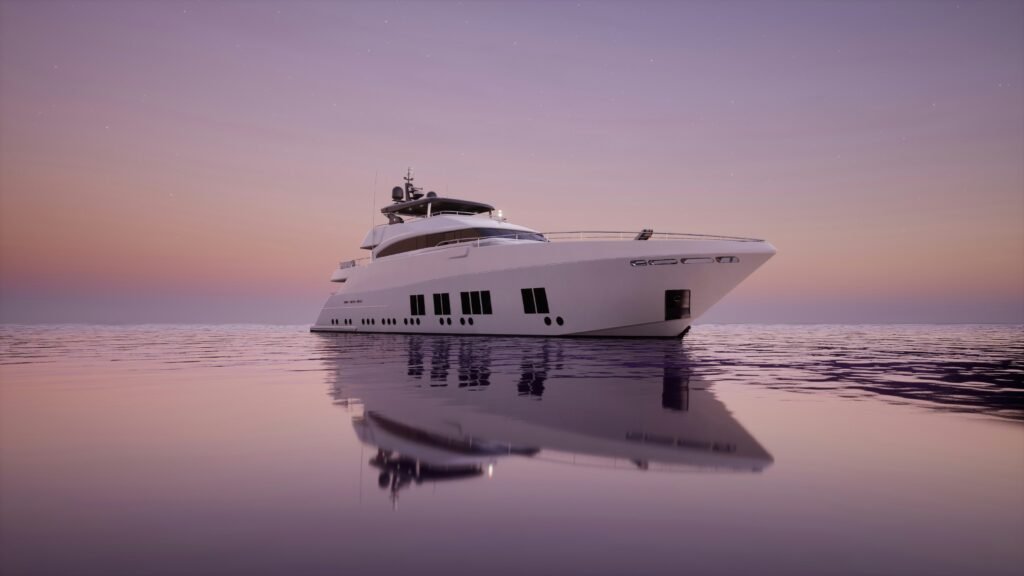
The captain arriving after a long passage has a different relationship with the marina from a family coming for Sunday lunch. A yacht owner staying for several weeks experiences it differently from someone visiting a wellness facility for an afternoon. Crew need practicality, familiarity and places that become part of their routine. Residents need restaurants and amenities they can return to repeatedly without feeling that they are permanently living inside a tourist attraction. Visitors need enough character and experience to make the journey worthwhile. The superyacht owner needs world-class infrastructure and service, but increasingly expects the destination beyond the berth to be equally considered.
Good marina branding therefore has surprisingly little to do with anchors, ropes, sails or the familiar vocabulary of nautical identity. It is about establishing the character of a place and ensuring that character survives across an unusually complicated collection of experiences. The marina provides authenticity; hospitality provides the reasons to stay.
Phuket Yacht Haven is particularly interesting in this respect because of its position in North Phuket. Much of Phuket’s established hospitality narrative has historically gravitated towards the beaches, resorts and entertainment areas of the island’s western coast. The north and east offer a different landscape and rhythm, as well as proximity to the airport and a growing residential population. Rather than attempting to recreate another version of the Phuket beach club, there is an opportunity to build something much more specific to its setting.
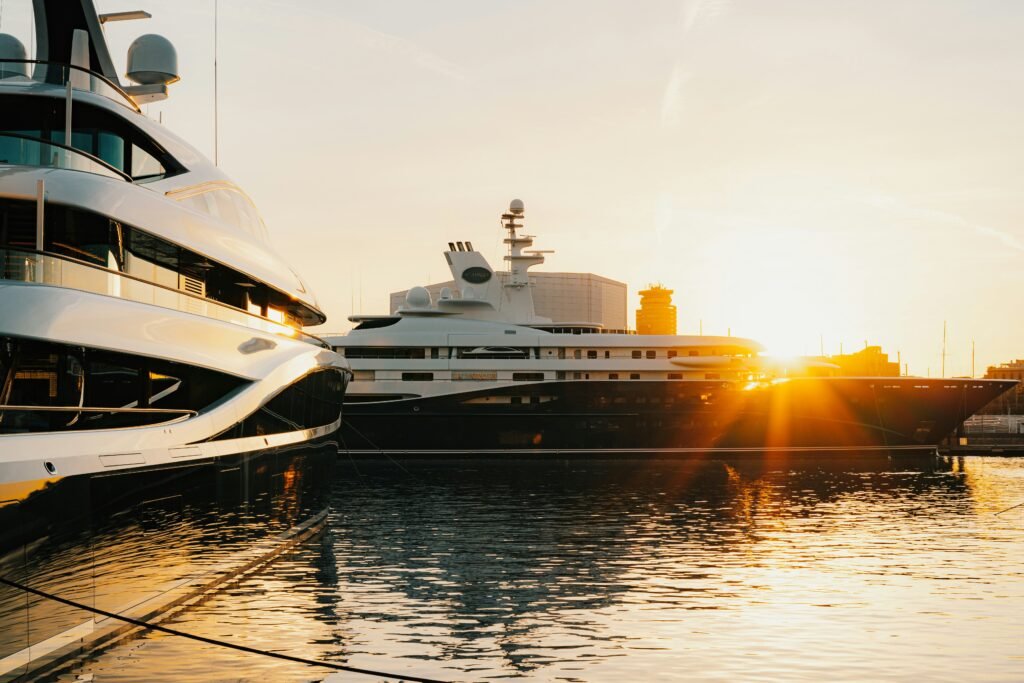
The activity of the marina itself becomes part of that character. Boats arrive and depart. Crews provision and prepare vessels. Owners come and go. Tenders move across the water. The working rhythms of an international marina provide a backdrop that no amount of decorative placemaking could convincingly reproduce. The challenge is to introduce a richer hospitality layer without polishing away the very thing that makes the place interesting.
This creates a different way of thinking about the customer journey. It might begin with the transition from berth to restaurant, but quickly extends to morning coffee, breakfast, provisioning, wellness after a day at sea, casual dining, drinks at sunset, events, fitness, retail and the relationship between future residences and the waterfront. It considers how someone arriving by boat experiences the destination differently from someone arriving by car, and how both can feel that the place belongs to them.
These are customer journeys, but they are also the raw material from which the brand is constructed.
The same principle applies at Bali Beach Country Club. Golf provides one form of authenticity, just as yachting does at Phuket Yacht Haven, but neither needs to define the limits of the audience. Instead, each provides a credible foundation around which a broader hospitality ecosystem can develop. The interesting part is not how many facilities can be assembled on a masterplan. It is whether those facilities collectively create a place with a recognisable rhythm, personality and point of view.
This is why hospitality brand strategy increasingly sits somewhere between branding, experience design and placemaking. The questions we find ourselves asking at the beginning of projects are often deceptively simple. Who is this place actually for? Why would someone come if they were not staying in a hotel, playing golf or mooring a yacht? What happens at eight in the morning, three in the afternoon or nine at night? Where do people naturally meet? What makes them linger? What makes somewhere part of a weekly routine rather than a place visited once?
The answers have implications far beyond communications. They can influence the positioning of restaurants, the role of wellness, the relationship between public and private areas, programming, service, wayfinding, interiors, digital experience and ultimately the commercial logic of the destination itself. Brand strategy becomes a way of organising the experience rather than simply describing it afterwards.
Hotels, resorts and branded residences remain an important part of hospitality, but they are no longer its boundaries. Some of the most compelling destinations being developed today are assembled from a much broader collection of ingredients: sport, wellness, food, marine infrastructure, residences, membership, work, culture and community. Their success depends less on fitting neatly into a category and more on creating a coherent reason for people to spend time there.
For ADELAHAYE, this broader territory is becoming an increasingly important part of our approach to hospitality branding and design. Whether the starting point is an 18-hole golf course in Nusa Dua or a superyacht marina in North Phuket, the objective is remarkably similar: understand what is genuinely authentic about a place, develop a clear brand and customer experience strategy around it, and create a journey that gives different audiences compelling reasons to arrive, stay and return.
Perhaps that is the more useful definition of hospitality now. Not a hotel, a marina, a club or a restaurant, but a place that understands what people want to do with their time.
Related