Insight
Luxury Lifestyles And The Blurred Lines For Hospitality Brands
Share:
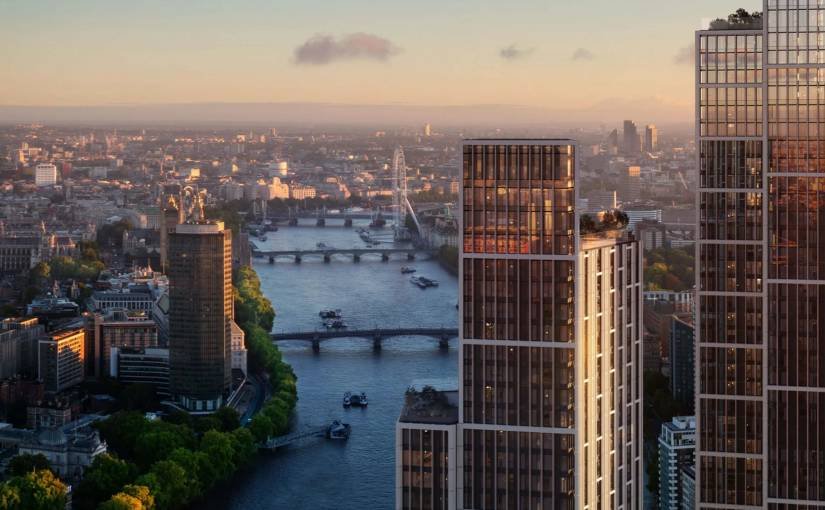
The hospitality industry has always evolved in response to changing expectations. From the rise of the grand hotels of Europe to the emergence of boutique lifestyle brands in the early 2000s, each generation has redefined what luxury means. Today, however, the shift feels fundamentally different. Hospitality is no longer confined to the hotel itself. Increasingly, the industry’s most successful brands are extending far beyond accommodation to shape how people live, work, socialise and invest.
The boundaries that once separated hotels, residences, wellness, dining, retail and leisure have become increasingly difficult to define. What were once complementary offerings are now becoming interconnected parts of a single ecosystem, creating brands that exist not simply as places to stay, but as lifestyles people actively choose to belong to.
This evolution reflects a broader change in consumer behaviour. Luxury travellers remain discerning, but their priorities have shifted. Status is expressed less through overt displays of wealth and more through quality of experience, personal wellbeing and authenticity. Convenience, meaningful service and emotional connection have become as valuable as architecture or interior design. Increasingly, guests expect brands to accompany them beyond the duration of a hotel stay and into their everyday lives.
Perhaps nowhere is this more evident than in the rapid growth of branded residences.
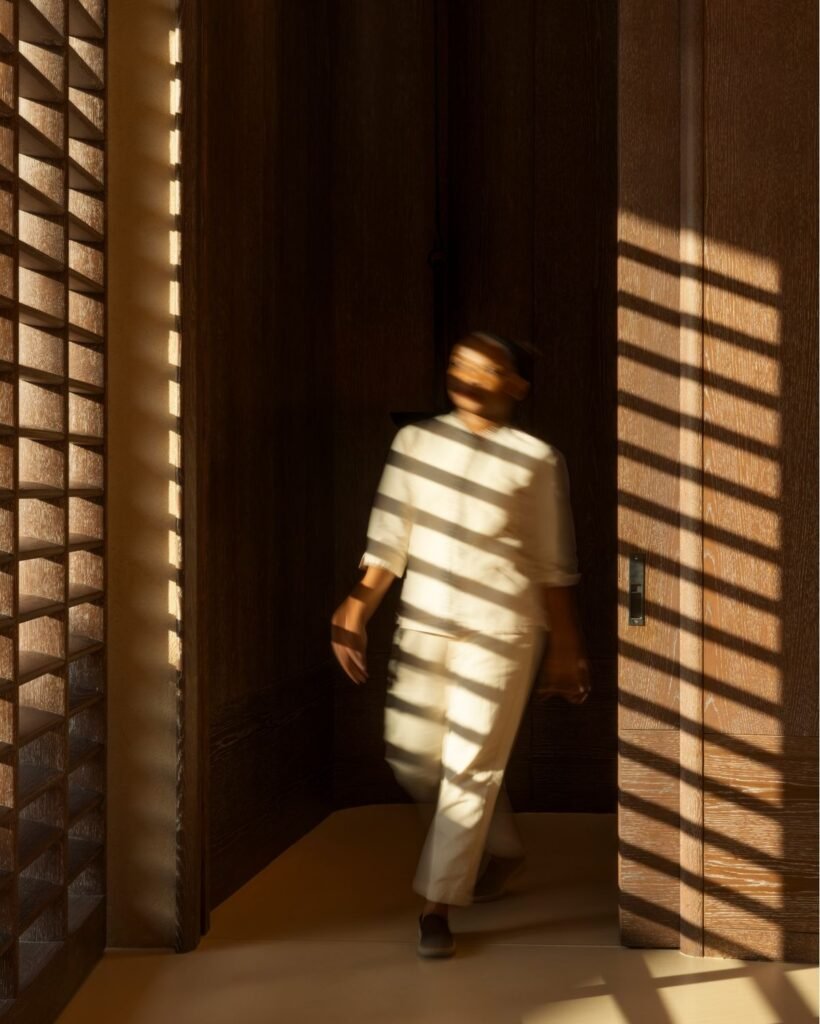
Once considered a niche extension of luxury hotels, branded residences have become one of the fastest-growing sectors within global real estate. While premium architecture and exceptional locations remain important, buyers are increasingly investing in something less tangible: the reassurance of a trusted hospitality operator. Professional management, consistent service standards, operational expertise and long-term brand credibility have become significant drivers of value alongside the physical asset itself.
For hospitality companies, branded residences represent more than a new revenue stream. They fundamentally extend the relationship between guest and brand. Rather than engaging with a customer for a few nights each year, brands become part of everyday life. Ownership creates an ongoing relationship built around service, familiarity and trust—qualities that have always defined exceptional hospitality.
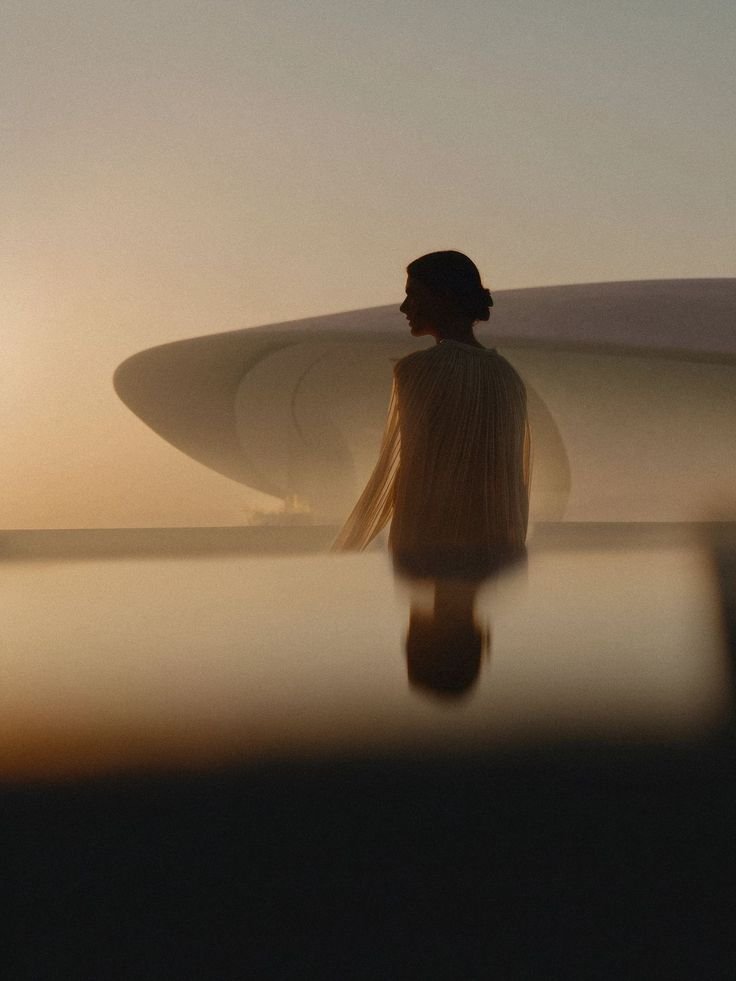
This same thinking is reshaping mixed-use developments around the world. Hotels are increasingly conceived alongside private residences, wellness centres, destination restaurants, co-working environments, retail precincts and members’ clubs. Rather than operating as independent businesses, each component contributes to a broader lifestyle proposition. The objective is no longer simply to increase footfall or diversify revenue; it is to create places with genuine energy and relevance throughout the year, supported equally by residents, local communities and visitors.
As these developments become more sophisticated, branding assumes an increasingly strategic role.
Creating a successful hospitality brand today requires considerably more than designing a visual identity or defining a guest experience. Brands must provide a framework capable of uniting multiple business models under a single philosophy while allowing each element to retain its own identity. A restaurant should feel connected to the hotel without becoming an extension of it. A branded residence should deliver the reassurance of hospitality while still feeling unmistakably like home. Wellness, retail and cultural programming should reinforce the brand narrative rather than compete with it.
The strongest hospitality brands achieve this through consistency of thinking rather than consistency of appearance.
Four Seasons properties rarely look alike, yet the experience remains unmistakably recognisable. Aman resorts are defined less by a visual style than by a philosophy of tranquillity, privacy and restraint. Six Senses has successfully positioned wellness not as an amenity, but as the organising principle behind its entire brand. These companies demonstrate that enduring luxury brands are built around values and behaviours, not graphic systems alone.
This represents an important shift for developers as well. Increasingly, the commercial value of a project depends not simply on its architecture or location, but on the strength of the brand that binds the entire experience together. Buyers are investing in confidence, service and long-term quality as much as they are investing in physical real estate. For operators, that places greater emphasis on creating brands capable of evolving over decades rather than marketing campaigns designed around a single launch.
For branding agencies specialising in hospitality, the implications are equally significant. Projects can no longer be approached as standalone hotels or residential developments. They demand a more holistic understanding of placemaking, operational strategy, customer behaviour and commercial positioning. The most successful brands emerge when architecture, interiors, service philosophy, programming and communication all contribute to the same narrative.
At ADELAHAYE, this convergence has become central to the way we approach hospitality branding. Whether developing a luxury hotel, a branded residences project or a mixed-use destination, our role is not simply to create an identity, but to establish a long-term strategic platform that can accommodate future growth while remaining authentic to its original vision.
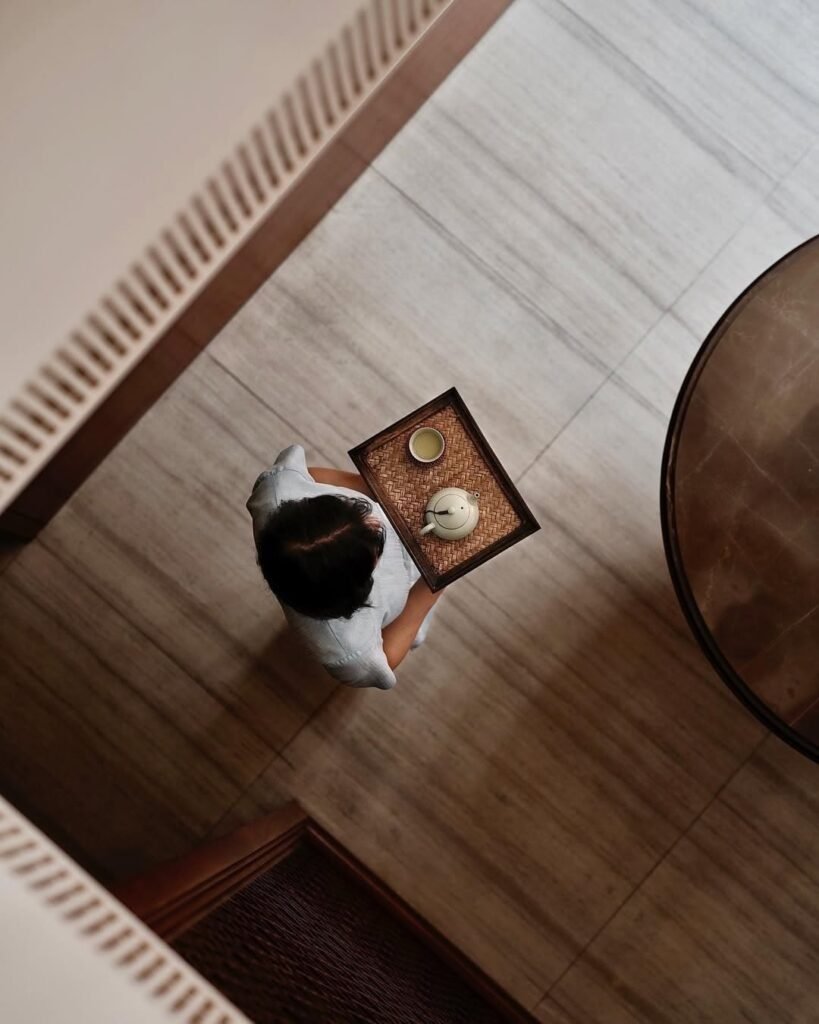
As hospitality continues to evolve, the distinction between travelling, living and belonging will become increasingly blurred. The brands that succeed will be those capable of creating genuine places, destinations with communities, culture and a clear sense of purpose rather than collections of individual assets. Hospitality is no longer defined by the hotel alone. It has become a way of living, and the brands that recognise this shift will be those that shape the next generation of luxury experiences.
Related