Insight
The New Boutique Hotel Is Less About Rooms, More About Ritual
Share:
There was a time when luxury hotels competed through scale.
The highest rooftop pool. The largest spa. The most extravagant lobby. Somewhere along the way, hospitality became an arms race of marble, chandeliers and ever larger suites, where luxury was measured by how much could be added rather than how much could be remembered.
Today, across Asia Pacific, that formula is quietly being rewritten.
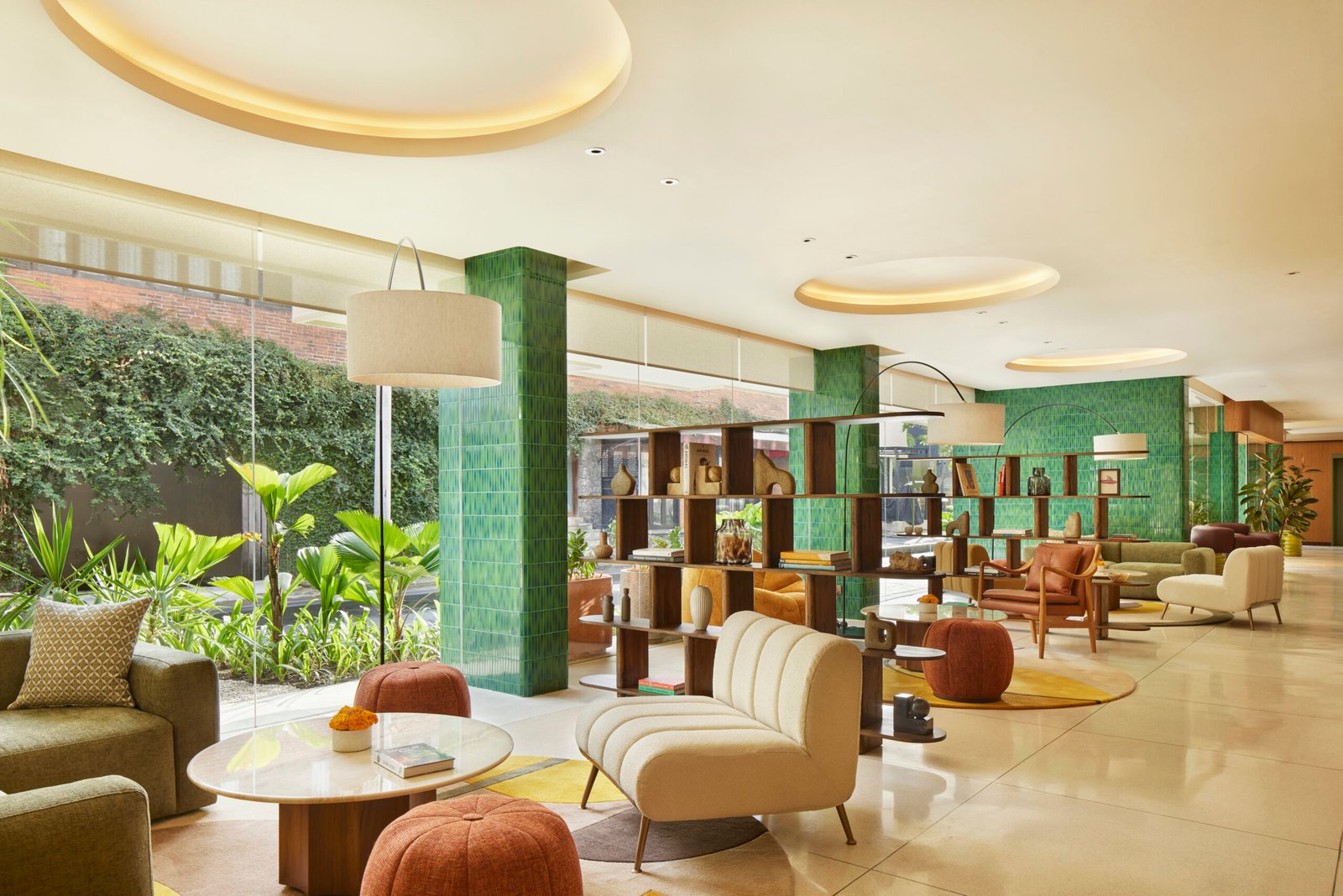
The region’s most exciting hotels are no longer trying to impress guests with grandeur alone. Instead, they are redefining luxury through atmosphere, neighbourhoods, craftsmanship and ritual. They are borrowing ideas from private residences, independent cafés, galleries, members clubs and even the traditional ryokan. Some occupy restored warehouses, former banks and century old townhouses. Others disappear into tropical forests or perch discreetly on city rooftops. What they share is a belief that experience, not excess, is becoming hospitality’s greatest luxury.
The room itself is almost secondary.
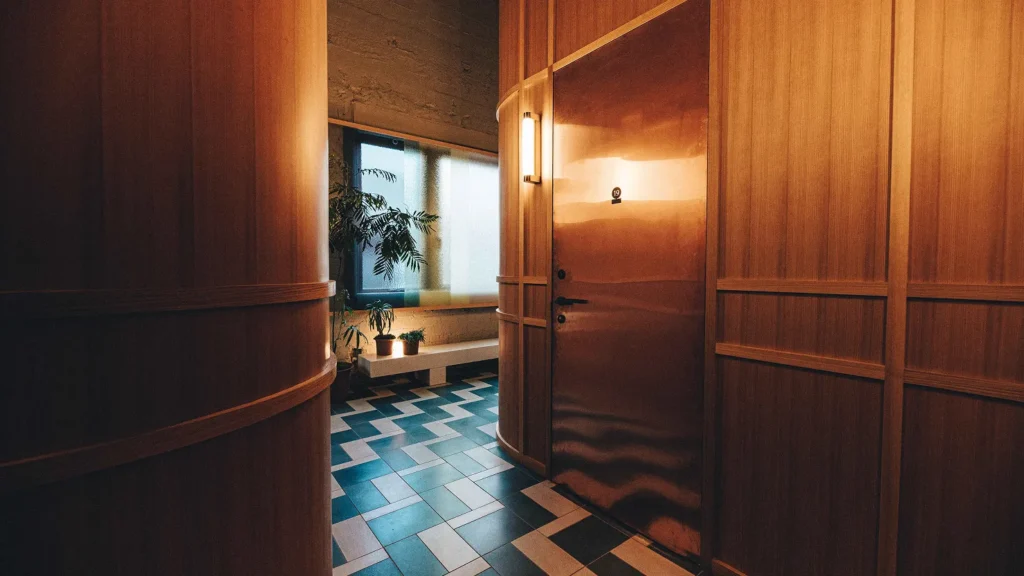
Guests remember the first cup of tea in the morning. They remember the tiny cocktail bar tucked behind reception. The ceramic bowl made by a local artisan. The scent of cedar drifting through a corridor. The chef introducing the day’s ingredients gathered from nearby farms. The concierge who quietly recommends a hidden jazz bar rather than the city’s biggest attraction.
They remember the ritual.
The Hotel That Belongs To The City
Perhaps the most significant change in hospitality is that hotels are becoming less interested in separating guests from a destination and more interested in immersing them within it.
Singapore illustrates this particularly well.
For decades, the city’s luxury hospitality revolved around polished international brands surrounding Marina Bay and Orchard Road. Today, however, a different generation of hotels is emerging. Properties such as Mondrian Singapore Duxton, The Standard Singapore, The Clan Hotel and the highly anticipated NoMad Singapore are less interested in creating isolated luxury bubbles and more focused on becoming part of the city’s creative fabric.
Walk out of the lobby and you are immediately surrounded by wine bars, coffee roasters, independent boutiques, galleries and neighbourhood restaurants. The concierge no longer recommends the obvious. Instead, they point guests towards Keong Saik Road, Duxton Hill or Tiong Bahru, encouraging visitors to experience Singapore through the eyes of the people who actually live there.
Luxury feels less curated.
More authentic.
The hotel becomes an introduction to a city rather than an escape from it.
Bangkok has embraced a remarkably similar philosophy.
Alongside the arrival of Aman Nai Lert Bangkok, the rebirth of Dusit Thani Bangkok and lifestyle destinations such as The Standard Bangkok Mahanakhon, a flourishing independent scene continues to reshape the Thai capital. Boutique properties including Cabochon Hotel, The Mustang Blu and a growing collection of smaller design hotels demonstrate that personality increasingly matters more than scale.
The city’s creative districts, from Charoenkrung to Ari and Talat Noi, have become extensions of the guest experience. Former warehouses now house contemporary galleries. Listening bars sit beside artisan bakeries. Independent cafés occupy buildings that once served entirely different purposes.
The neighbourhood itself has become part of the hotel.
Small Hotels, Big Personalities
Hong Kong has quietly rediscovered intimacy.
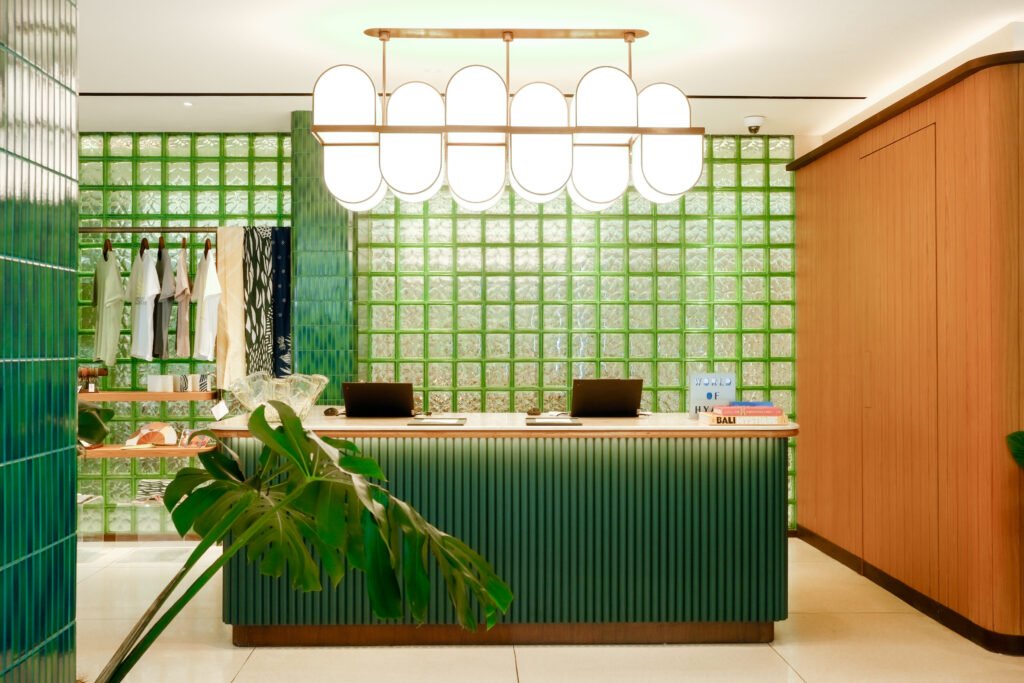
While global luxury brands continue to dominate the skyline, boutique hotels such as The Hari Hong Kong, The Fleming, TUVE, The Upper House and Eaton Hong Kong demonstrate a different interpretation of luxury. Interiors are carefully edited rather than extravagant. Restaurants feel like neighbourhood favourites rather than hotel dining rooms. Art collections are curated with the same attention as the wine list.
These are hotels with opinions.
Not simply properties with attractive interiors.
Further north, Hanoi has become one of Southeast Asia’s most fascinating hospitality stories.
Properties such as Capella Hanoi, imagined by celebrated designer Bill Bensley, prove that storytelling can become architecture. Inspired by the glamour of opera houses and French colonial Hanoi, every corridor, restaurant and guest room contributes to a theatrical narrative. Elsewhere, smaller boutique hotels celebrate Vietnamese craftsmanship, locally made furniture, regional cuisine and historic buildings that connect visitors directly to the character of the city.
Rather than importing international luxury, they celebrate Vietnamese identity.
Japan’s Quiet Influence
If one country has quietly influenced boutique hospitality around the world, it is Japan.
Ironically, it has done so not through innovation alone, but through tradition.
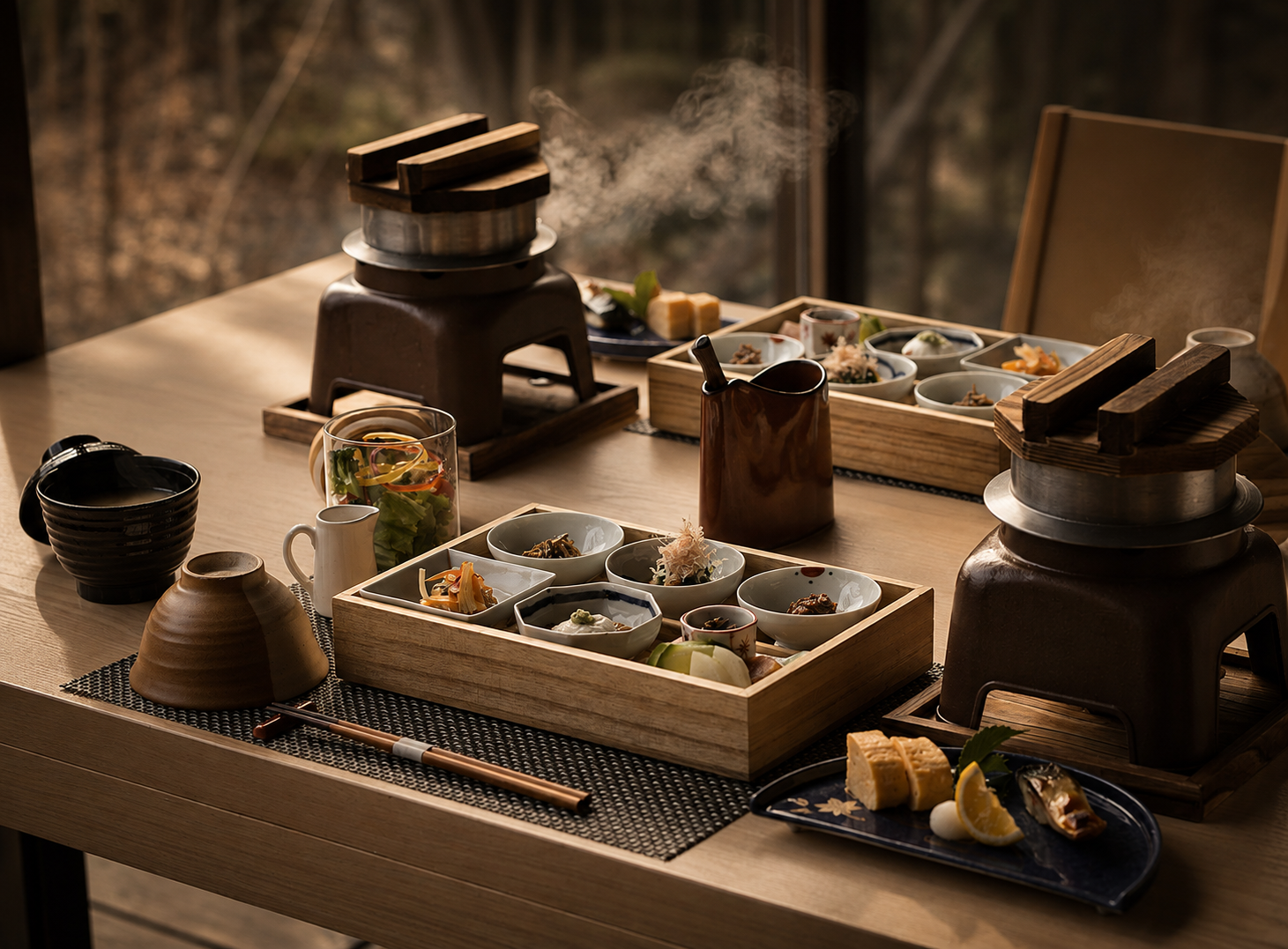
The philosophy of the ryokan has become one of hospitality’s greatest lessons. Service that anticipates rather than performs. Architecture that calms rather than overwhelms. Dining that follows the seasons rather than trends. Materials that become more beautiful with age.
Many of Japan’s most admired contemporary hotels borrow directly from these ideas.
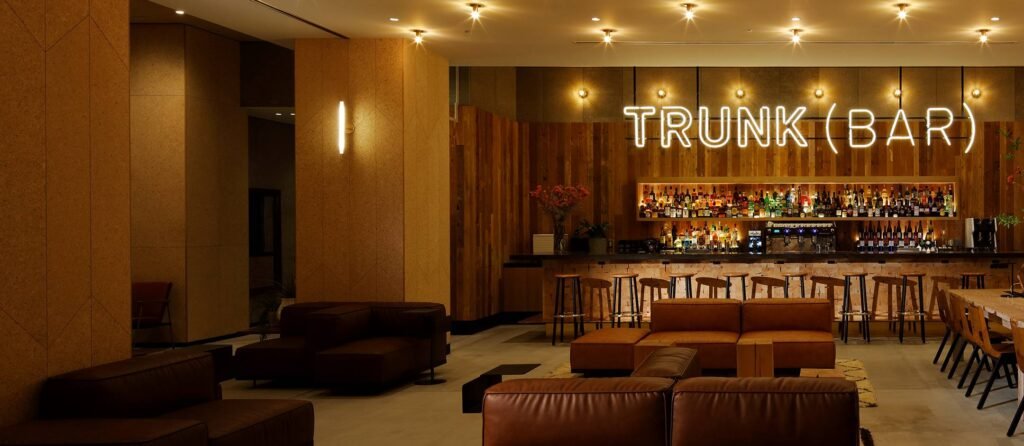
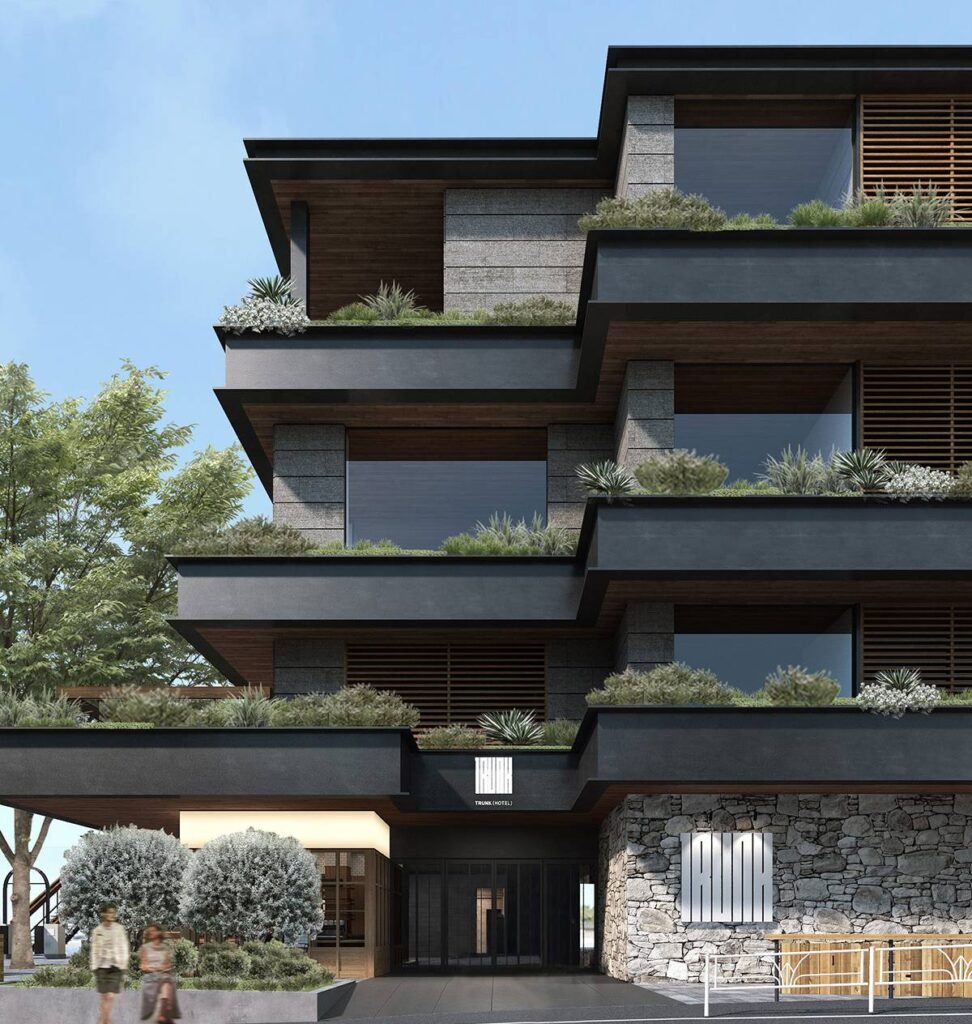
TRUNK(HOTEL) transformed Tokyo’s boutique hotel scene by placing neighbourhood culture and sustainability at the centre of its identity. K5 Tokyo reimagined a former bank into one of the city’s most refined lifestyle hotels, blending Scandinavian restraint with Japanese craftsmanship. HOSHINOYA Tokyo proved that the traditions of the ryokan could thrive within the heart of one of the world’s busiest cities, while Ace Hotel Kyoto demonstrated how international lifestyle brands can successfully collaborate with Japanese culture rather than simply importing a foreign identity.
Kyoto itself continues to set the benchmark.
Properties such as Hotel The Mitsui Kyoto, Six Senses Kyoto and a growing collection of beautifully restored machiya hotels reveal a quieter definition of luxury. Gardens become outdoor living rooms. Timber replaces marble. Silence becomes part of the architecture.
Even Osaka is evolving.
With projects including Patina Osaka, the city is embracing a more design conscious form of hospitality that complements its celebrated food culture and growing international profile.
What these hotels share is not a visual style.
It is a philosophy.
Luxury is no longer loud.
Beyond The Tropical Fantasy
Few destinations have evolved more dramatically than Bali.
For years, the island became synonymous with infinity pools, bamboo architecture and social media moments carefully designed for photographs. While those experiences undoubtedly transformed tourism, a new generation of hotels is taking a more thoughtful approach.
Properties such as Further Hotel, Lost Lindenberg, Desa Potato Head, Buahan, a Banyan Tree Escape, Nirjhara and a growing number of independently owned retreats are placing architecture, sustainability and local craftsmanship at the centre of the guest experience.
Design has become quieter.
Materials have become more honest.
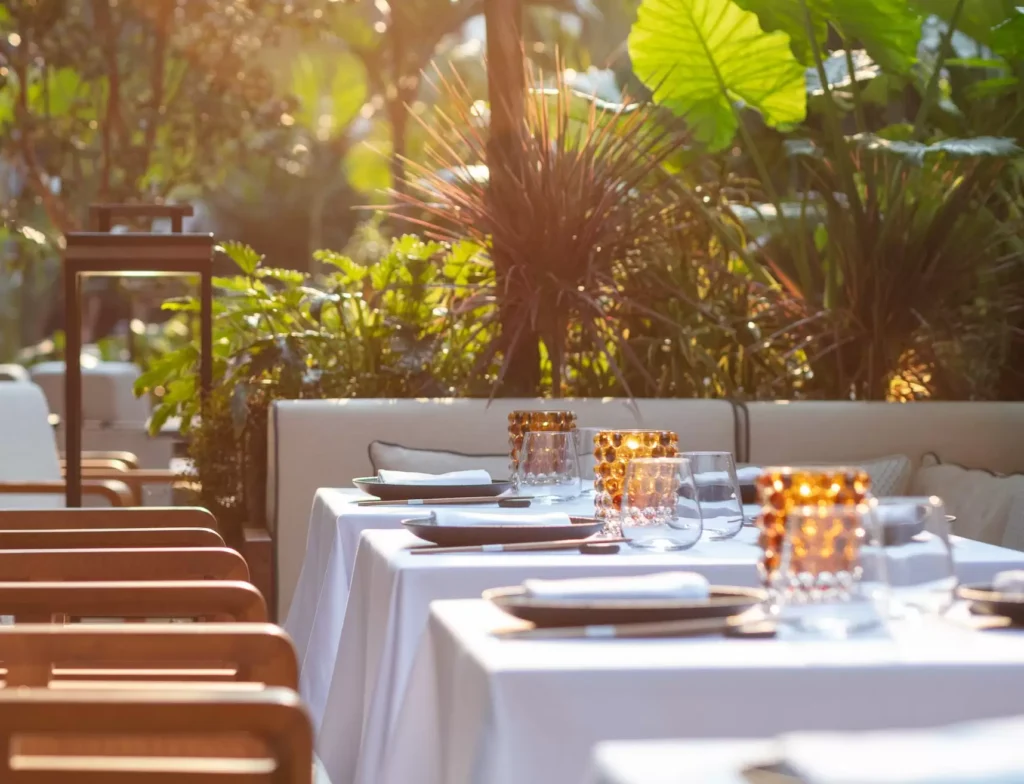
Wellness has evolved beyond spa menus into regenerative travel, slow living, food grown nearby and genuine cultural connection.
The strongest hotels understand that Bali’s greatest luxury has never been the villa.
It has always been the island itself.
Australia Finds Its Own Voice
Australia is experiencing a similar shift.
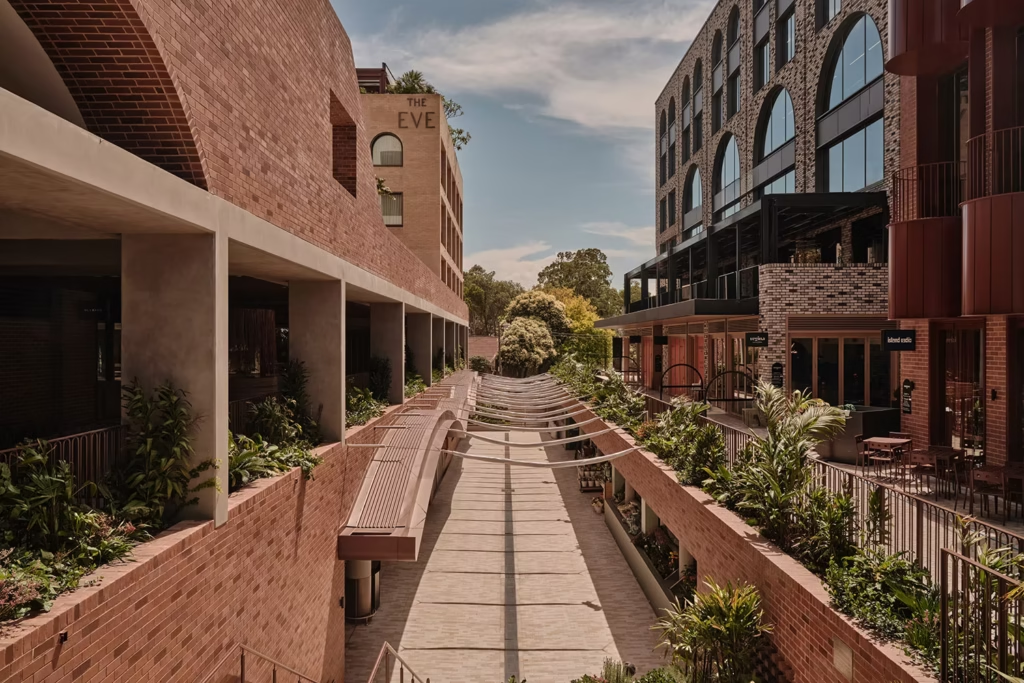
Rather than copying European or American luxury, the country’s most interesting hotels are embracing a distinctly Australian identity. The Eve Sydney, The Calile Hotel in Brisbane, Jackalope on the Mornington Peninsula, Raes on Wategos, Halcyon House and the recently opened StandardX Melbourne celebrate architecture, landscape, local produce and contemporary Australian art.
These hotels feel deeply connected to where they are.
They could exist nowhere else.
That sense of place has become hospitality’s greatest competitive advantage.
Branding Beyond The Logo
Perhaps the biggest lesson from this new generation of boutique hotels is that branding has fundamentally changed.
Twenty years ago, branding often began with a logo.
Today, it begins with a question.
What should guests remember?
The answer influences everything that follows.
Architecture.
Interior design.
Lighting.
Music.
Restaurants.
Uniforms.
Photography.
Retail.
Wayfinding.
Digital experiences.
Even the rhythm of service.
The strongest hotel brands no longer rely on visual identity alone.
They rely on emotional identity.
The logo simply introduces the story.
The experience is what people take home.
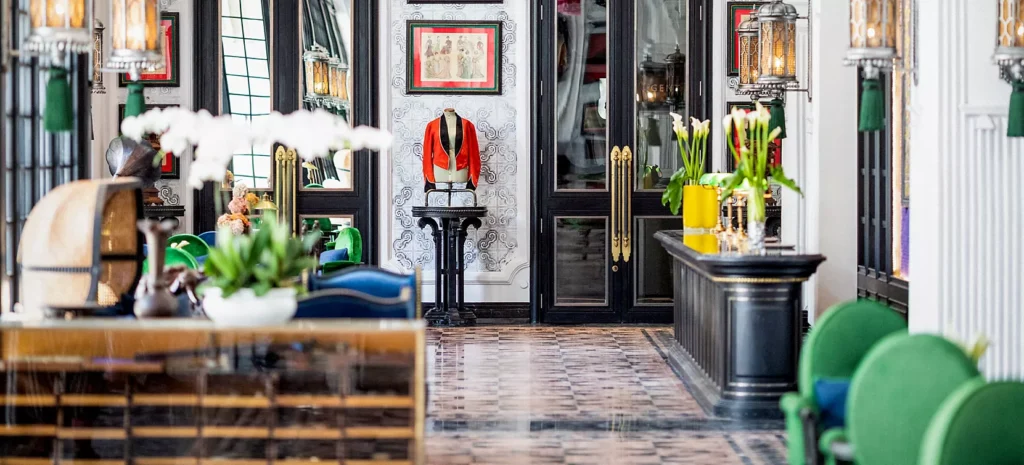
Increasingly, hospitality brands are looking beyond traditional hotel design for inspiration. Residential architecture, fashion, contemporary art, independent publishing, local craft, gastronomy and wellness are all shaping how modern boutique hotels are conceived. Designers such as Bill Bensley, André Fu, Kengo Kuma, Olson Kundig, Norm Architects and Studio MK27 have each, in different ways, contributed to a broader movement where architecture becomes quieter, materials become more honest and luxury becomes more human.
A New Definition Of Luxury
Global operators have recognised the shift.
Lifestyle collections such as The Standard, Edition, 1 Hotels, Canopy, Autograph Collection, LXR, Patina, NoMad and Hyatt’s Unbound Collection continue expanding throughout Asia Pacific. Yet some of the region’s most memorable hotels remain independently owned, often with fewer than fifty rooms and a fiercely individual point of view.
Scale no longer defines success.
Character does.
Across Asia Pacific, the boutique hotel has become less interested in providing an escape from its surroundings and more interested in revealing them.
It celebrates local makers and lifestyle.
It champions neighbourhood restaurants.
It commissions artists.
It works with ceramicists, florists, chefs and musicians.
It becomes part of the community rather than simply occupying it.
Ultimately, the best boutique hotels no longer sell accommodation.
They curate belonging.
Because people rarely remember the room.
They remember the feeling.
The morning light filtering through a paper screen in Kyoto.
The sound of rain falling onto tropical gardens in Bali.
A hidden cocktail bar in Hong Kong.
Breakfast in a quiet laneway café in Singapore.
A walk through Talat Noi before Bangkok wakes.
Those are the moments that stay with us.
The room was simply where the story began.
Hotels To Watch Across Asia Pacific
Singapore
- Mondrian Singapore Duxton
- The Standard Singapore
- The Clan Hotel
- NoMad Singapore
- Raffles Sentosa Singapore
Bangkok
Hong Kong
Japan
- TRUNK(HOTEL), Tokyo
K5 Tokyo - HOSHINOYA Tokyo
- Ace Hotel Kyoto
- Hotel The Mitsui Kyoto
- Six Senses Kyoto
- Patina Osaka
Vietnam
- Capella Hanoi
- Hotel de la Coupole, Sapa
- Azerai Can Tho
- Zannier Hotels Bãi San Hô
Bali & Indonesia
- Kleo Seminyak by JDV By Hyatt
- Further Hotel
- Lost Lindenberg
- Desa Potato Head
- Buahan, a Banyan Tree Escape
- Nirjhara
- Cap Karoso, Sumba
Australia
- The Eve Sydney
- StandardX Melbourne
- The Calile Hotel
- Jackalope
- Halcyon House
- Raes on Wategos
Related