Insight
The Future of the Ryokan Lies in Its Past
Share:
As Japan prepared to welcome the world ahead of the Rugby World Cup and Olympic Games, ADELAHAYE worked with Japan Resource Group to reimagine a collection of traditional ryokan for an international audience, without compromising the rituals, craftsmanship and quiet authenticity that have defined Japanese hospitality for centuries.
There are few hospitality experiences as deeply rooted in culture as the Japanese ryokan.
Unlike luxury hotels that often seek to impress through spectacle, the ryokan has always celebrated something quieter. It is a place where hospitality is measured not by excess but by anticipation; where every gesture feels considered, every room deliberately understated and every meal reflects the landscape beyond its windows.
The best ryokan are not simply places to spend the night. They are expressions of Japanese life itself.
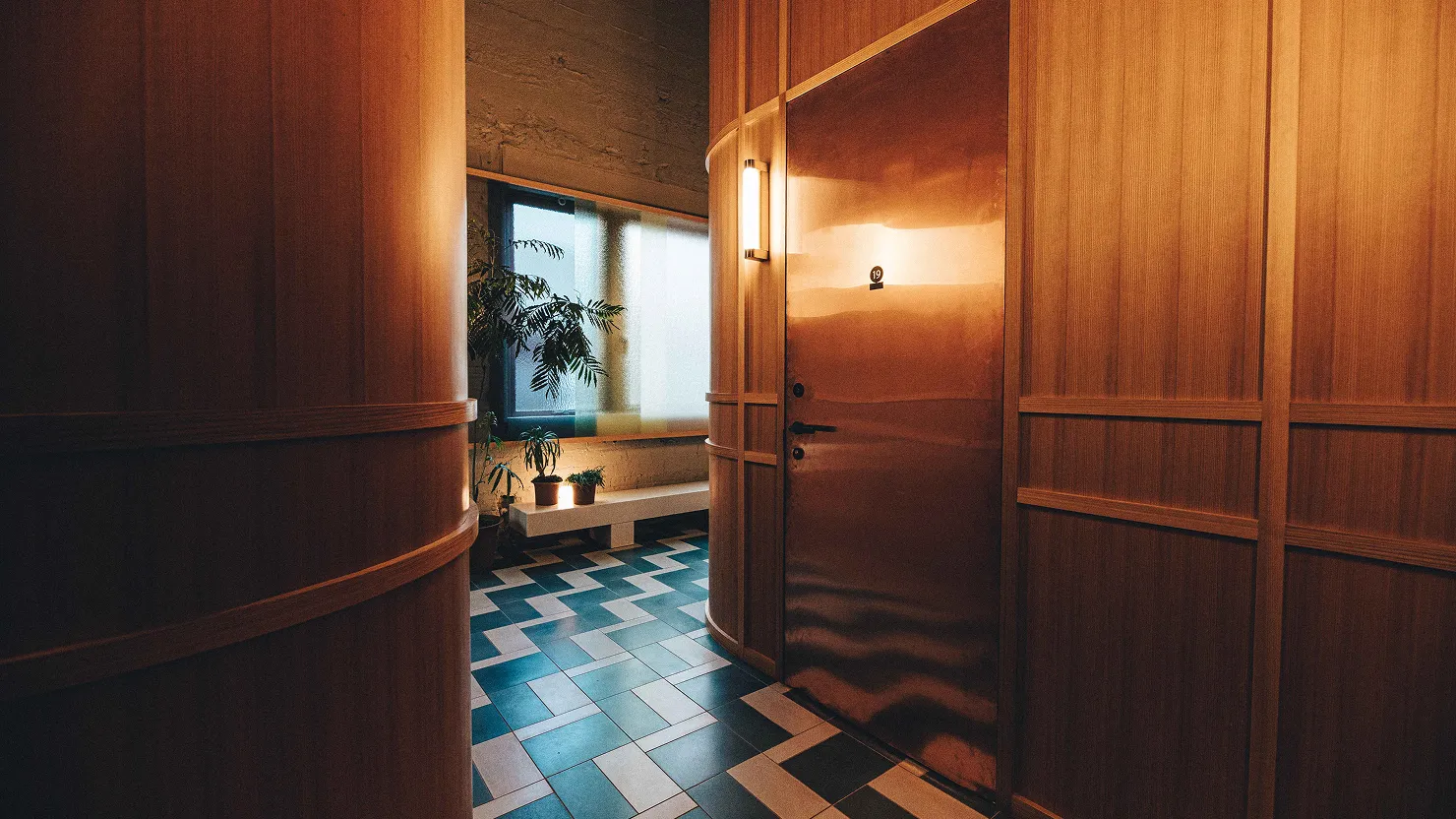
For centuries, these inns have invited guests to slow down. Shoes are removed at the entrance. Tatami replaces polished marble. Cedar baths draw naturally heated mineral water from deep beneath the earth. Seasonal flowers appear almost unnoticed in an alcove. Dinner unfolds as an elegant procession of small courses, each prepared to celebrate the exact moment in nature from which it came.
This philosophy of omotenashi, Japan’s unique understanding of wholehearted hospitality, cannot be replicated through luxury alone. It is built through countless invisible acts of care.
As Japan prepared to host the Rugby World Cup and the Tokyo Olympic Games, many independent hospitality groups faced an unfamiliar question.
How could they welcome a new generation of international travellers without losing the qualities that had made them so distinctly Japanese?
For Japan Resource Group, the answer was never to become more international.
It was to become more understandable.
ADELAHAYE was commissioned to reposition and rebrand the group’s portfolio of ryokan and restaurants across Kyushu, creating a hospitality identity that could resonate with overseas guests while remaining deeply authentic for domestic travellers. Rather than simplifying Japanese culture, our ambition was to reveal it more clearly.
The work extended across the group’s renowned properties in Beppu, Yufuin and Aso, alongside its celebrated dining destinations in Osaka. Each location possessed its own history, personality and loyal following, yet together they represented a broader philosophy of Japanese hospitality that deserved to be expressed with greater clarity.
Every decision began with the traditions of the ryokan itself.
The rhythm of arrival.
The ceremony of removing shoes before entering a room.
The texture of tatami beneath bare feet.
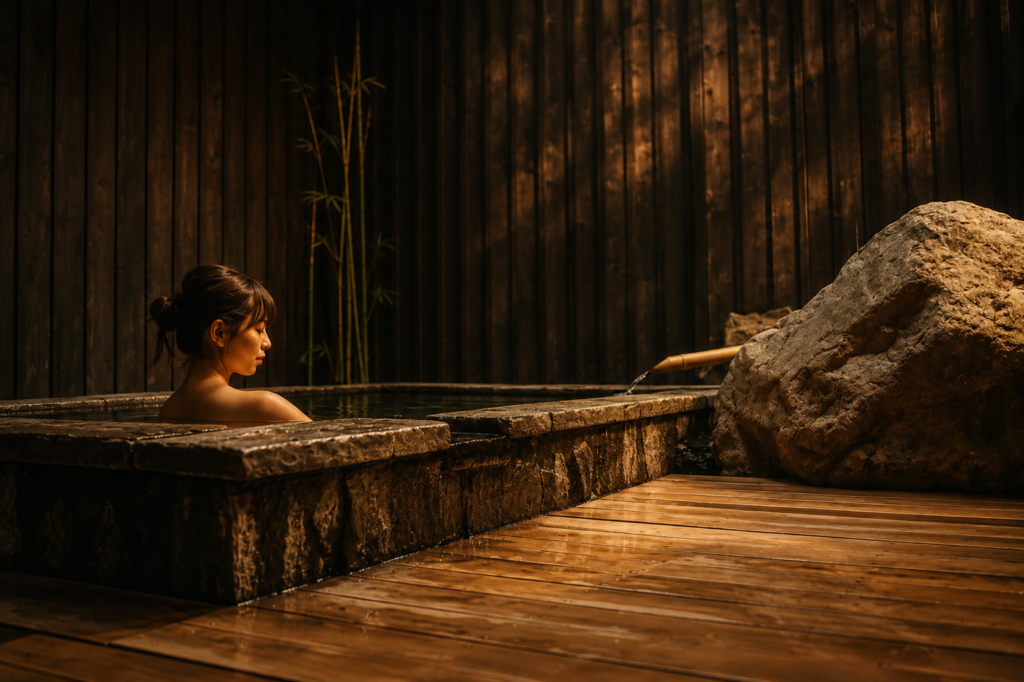
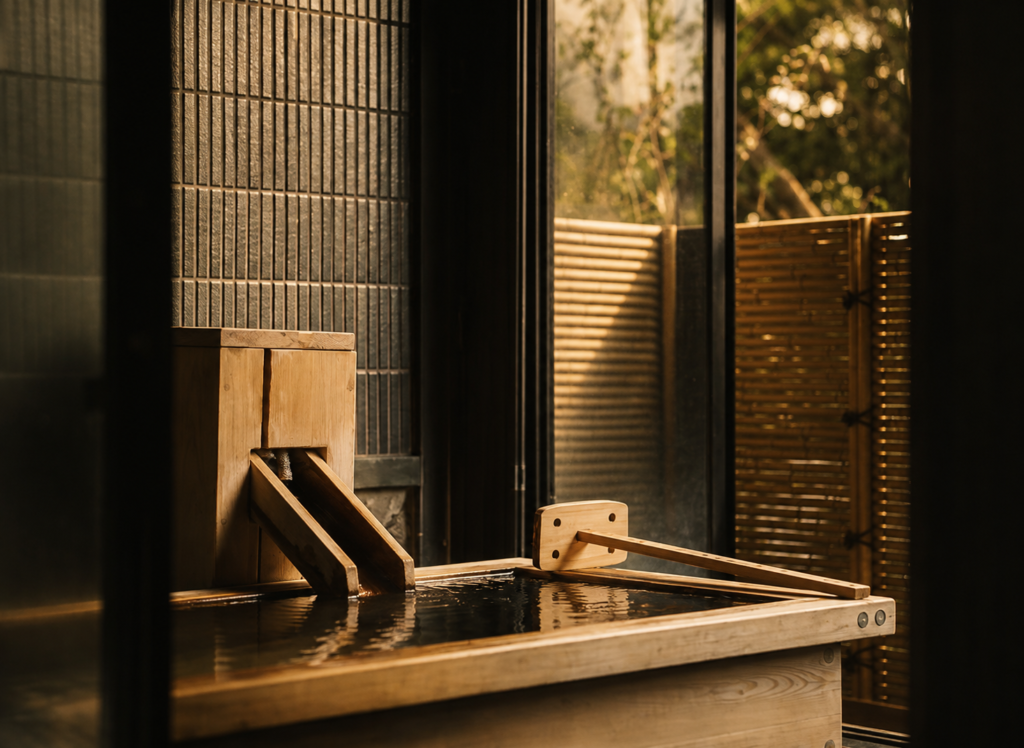
The sound of water flowing into a private onsen.
The quiet confidence of a host who already knows what you need before you ask.
Perhaps nowhere is this philosophy more evident than at the dining table.
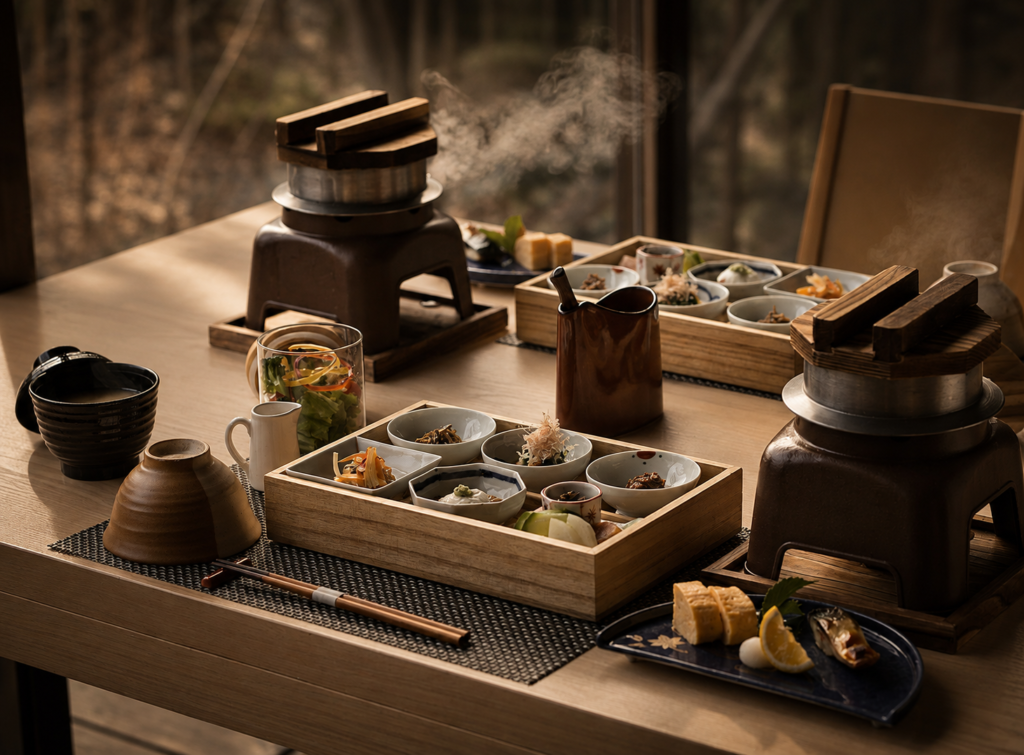
A true ryokan experience is inseparable from its cuisine. Kaiseki is not simply dinner, it is storytelling through ingredients. Courses arrive with the changing seasons rather than fixed recipes, celebrating vegetables harvested that morning, seafood landed along nearby coasts and ceramics crafted by local artisans. Presentation is considered as carefully as flavour, reflecting centuries of aesthetic tradition where balance, restraint and seasonality remain paramount.
For international visitors unfamiliar with these customs, the experience can be both enchanting and intimidating. Our role was to create a brand language that encouraged discovery rather than uncertainty, allowing guests to appreciate these rituals without feeling excluded by them.
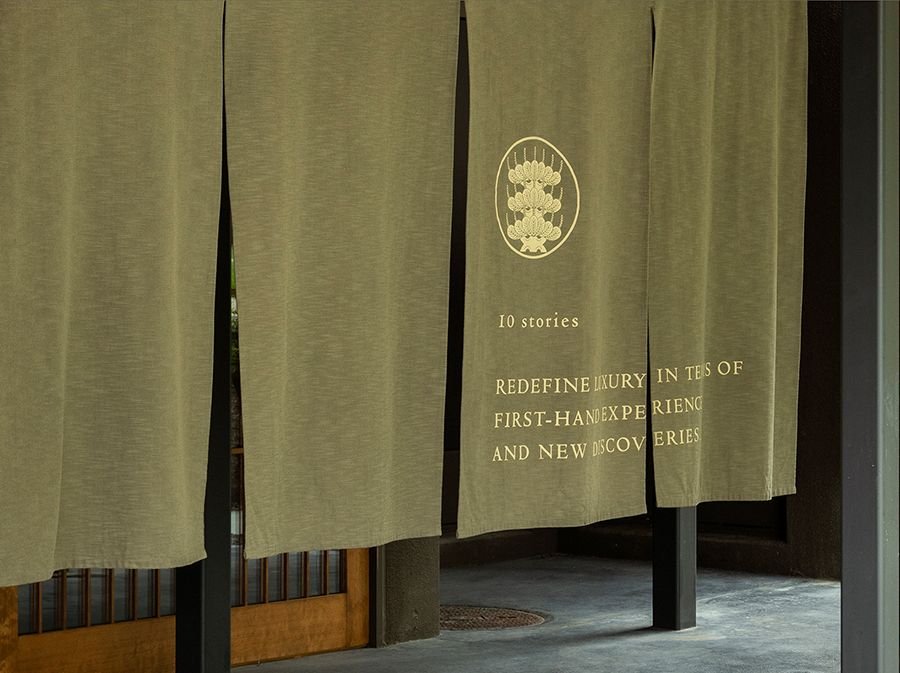
Rather than adopting the visual conventions of international luxury hotels, the identities remained unmistakably Japanese. Elegant typography sat comfortably alongside traditional characters. Photography favoured natural light, honest materials and genuine moments over stylised perfection. Language became simpler, but never simplified.
Authenticity was never something to be designed.
It already existed.
Our responsibility was simply to reveal it.
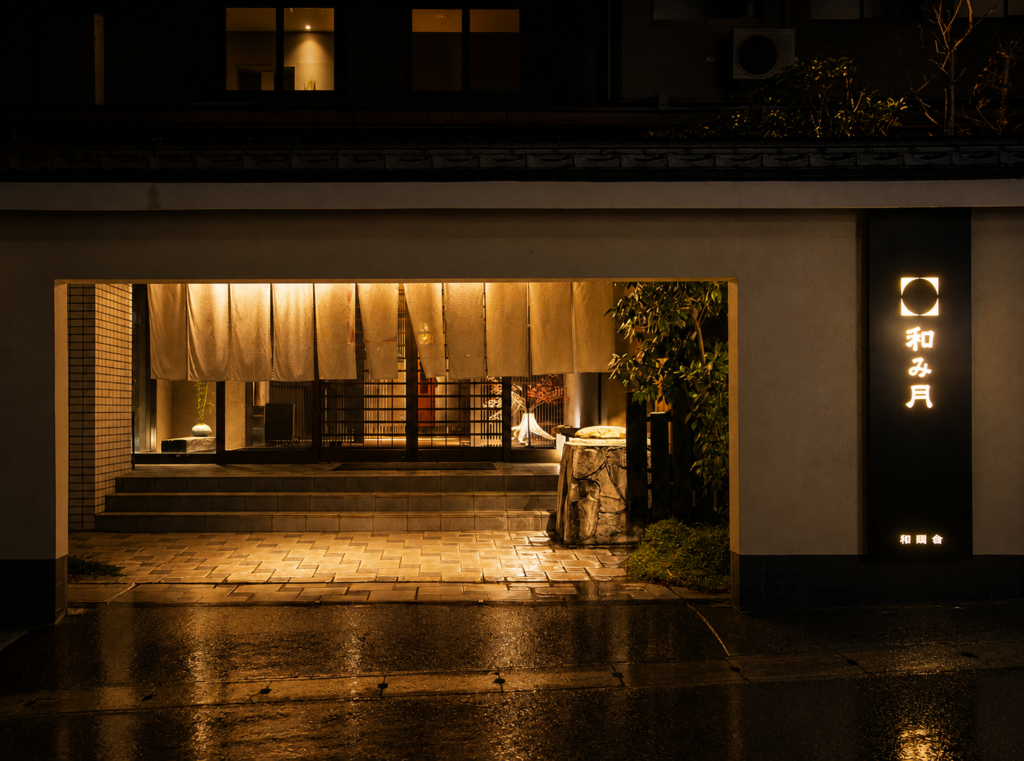
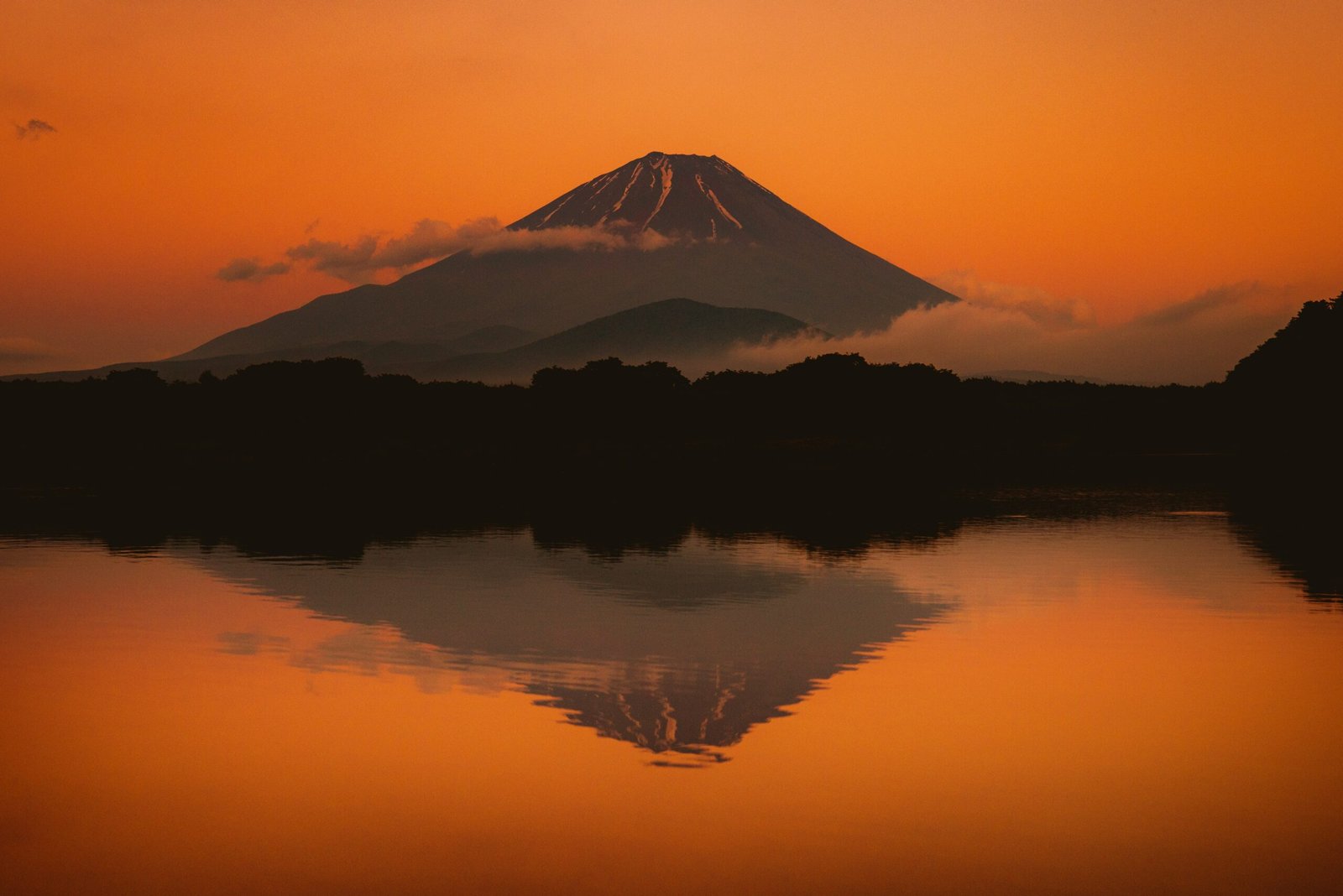
To achieve this, our creative team travelled extensively throughout Kyushu, documenting each destination through original photography and film while working closely with the property’s owners and local teams. From the volcanic landscapes surrounding Yufuin and Beppu’s famous hot spring culture to the quiet forests of Aso, the resulting visual language became inseparable from the places themselves.
The project extended beyond the guest room. Restaurants throughout the portfolio were repositioned with the same philosophy, celebrating regional cuisine, local ingredients and Japanese craftsmanship while presenting each venue with a clearer identity for both domestic and overseas audiences. Whether arriving for an intimate kaiseki dinner in Osaka or escaping to a mountainside ryokan in Kyushu, guests encountered a consistent expression of thoughtful hospitality rooted firmly in place.
Today, as international travel continues to evolve, the appeal of the ryokan has arguably never been stronger.
Travellers increasingly seek experiences that cannot be replicated elsewhere. They are searching for craftsmanship over convenience, local culture over familiarity and genuine connection over standardisation.
Ironically, it is precisely the traditions that once seemed challenging to international audiences that have become the ryokan’s greatest strength.
The future of Japanese hospitality does not lie in becoming more global.
It lies in becoming even more confidently Japanese.
Our work with Japan Resource Group demonstrated that authenticity and accessibility are not opposing ideas. When approached with respect, thoughtful strategy and careful design, they become complementary. The result was not a Western interpretation of Japan, but a clearer invitation to experience it.
Because the finest hospitality has never been about changing tradition.
It has always been about helping more people understand why it matters.
Related