Insight
The New Language of Hospitality
Share:
There was a time when luxury hospitality was defined by familiarity. Grand marble lobbies, polished brass, impeccable service and a recognisable logo were enough to signal quality. The world’s leading hotel groups built their reputations on consistency, offering guests the reassurance that wherever they travelled, they would know exactly what to expect.
Today’s traveller is looking for something rather different.
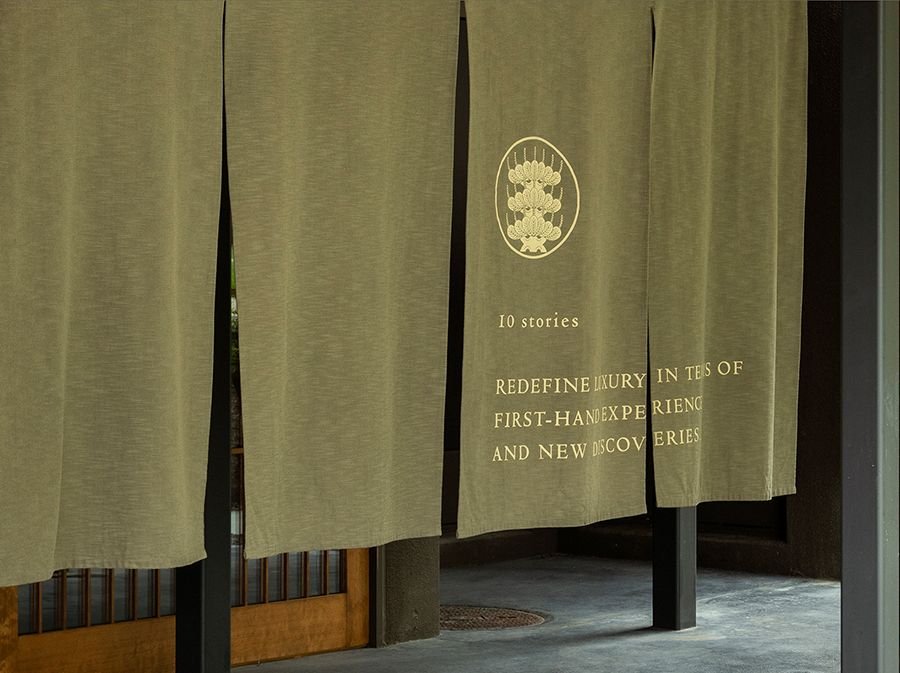
Luxury has become more personal, more cultural and, perhaps surprisingly, less predictable. The most admired hotels are no longer those that feel interchangeable from one city to the next, but those that offer a genuine sense of place properties that could only exist where they do. They are destinations shaped by local artisans, independent chefs, contemporary artists and neighbourhood culture, where design feels collected rather than manufactured and every experience has been carefully considered without appearing overly choreographed
The hotel itself has become part of a much broader creative conversation.
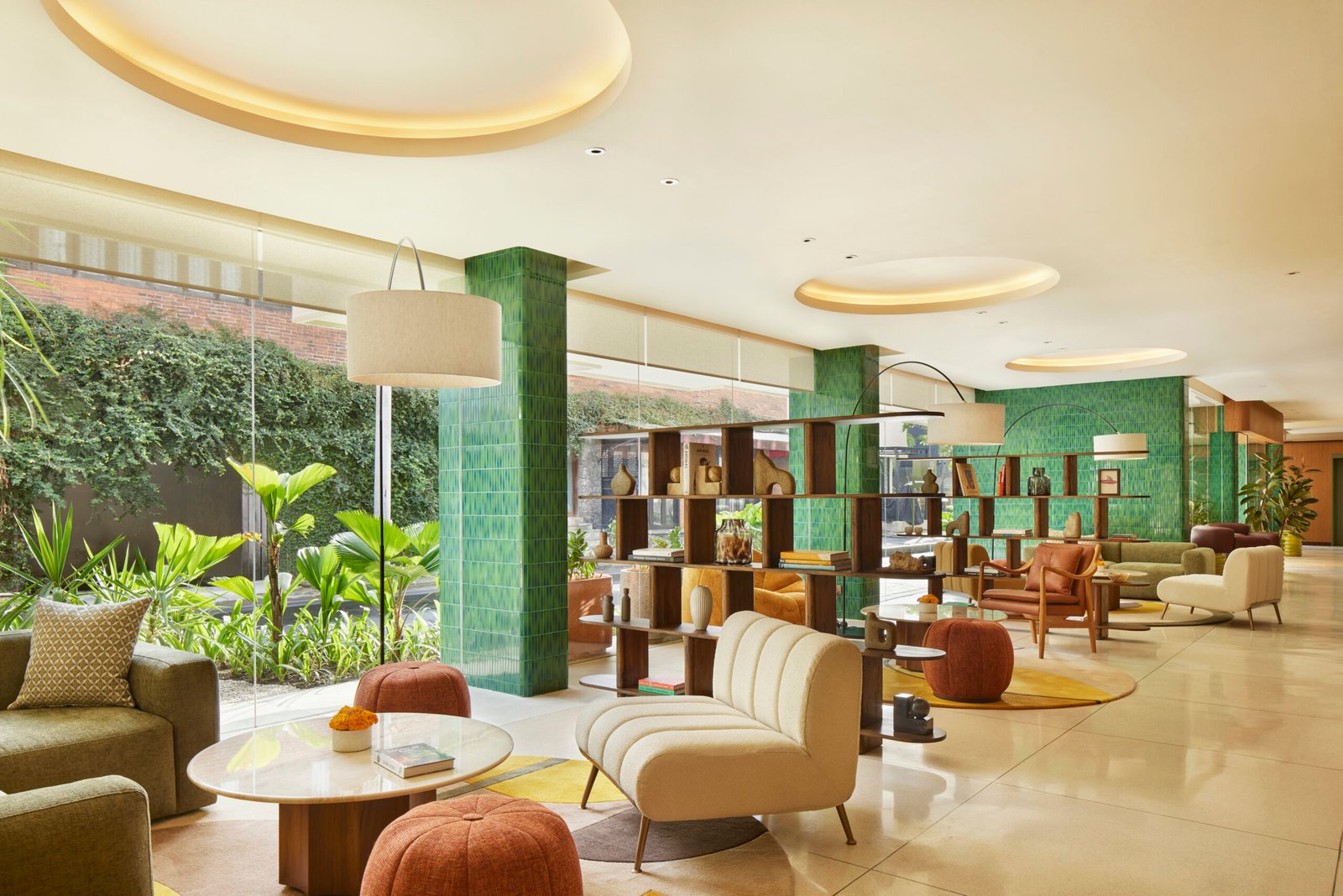
Walk into many of the world’s most interesting properties today and the traditional boundaries between hospitality, retail, culture and lifestyle begin to disappear. The lobby is no longer simply somewhere to check in; it has become a café, a co-working space, a gallery and a meeting place for locals as much as guests. Restaurants have evolved into destinations in their own right, attracting diners who may never book a room, while cocktail bars increasingly shape a hotel’s reputation long after sunset. Boutique retail spaces stock ceramics from local makers, limited-edition books, bespoke fragrances and objects designed exclusively for the property, allowing guests to take a small piece of the experience home with them.
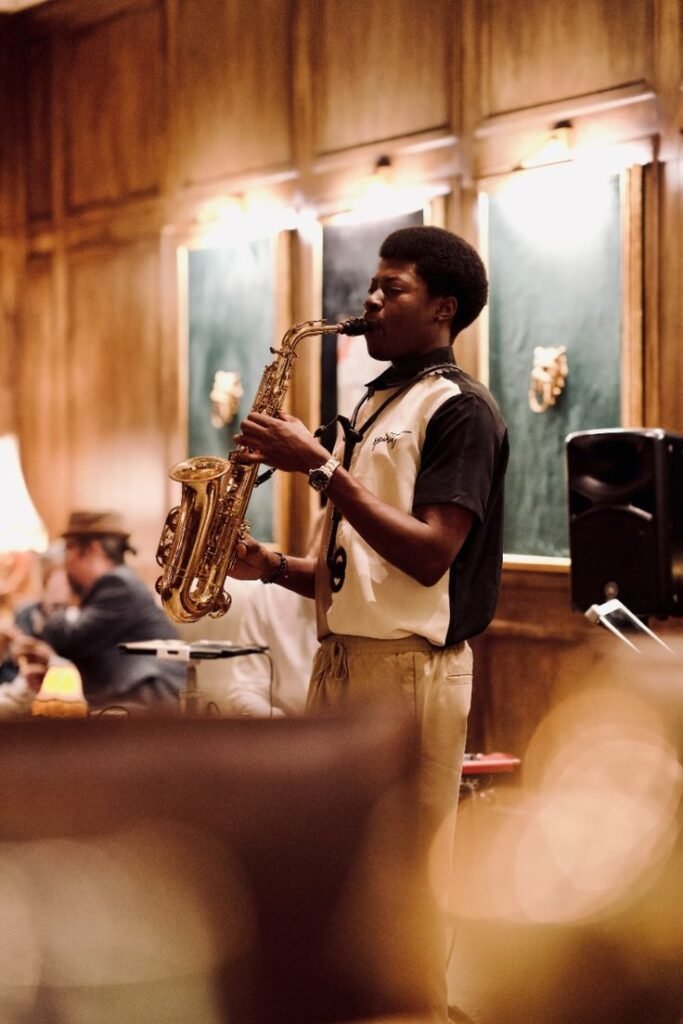
Hospitality has become less about accommodation and more about creating a complete cultural ecosystem.
This shift has transformed the way leading brands think about design. Rather than simply commissioning architects and interior designers, many now collaborate with artists, fashion labels, ceramicists, musicians and independent makers to create experiences that feel layered and authentic. The most successful collaborations are rarely driven by celebrity alone. Instead, they reflect a genuine understanding of the destination and the community that surrounds it.
Hotels such as Ace Hotel redefined the lobby as a neighbourhood living room, blurring the line between hotel guests and local creatives. Soho House demonstrated that people were not simply buying access to bedrooms but to a community, a shared point of view and a carefully curated social environment. Aman continues to show that luxury can be expressed through silence and restraint rather than spectacle, allowing architecture, landscape and service to take precedence over branding itself. The Tokyo EDITION brings together Ian Schrager’s vision with Kengo Kuma’s architectural language, creating spaces where materiality, light and atmosphere become as recognisable as any logo. Even Muji Hotels communicate almost entirely through product philosophy and material honesty, proving that a brand can feel unmistakable without relying on overt graphic expression.

Each approaches hospitality differently, yet they all share one characteristic. Their identity extends far beyond visual design.
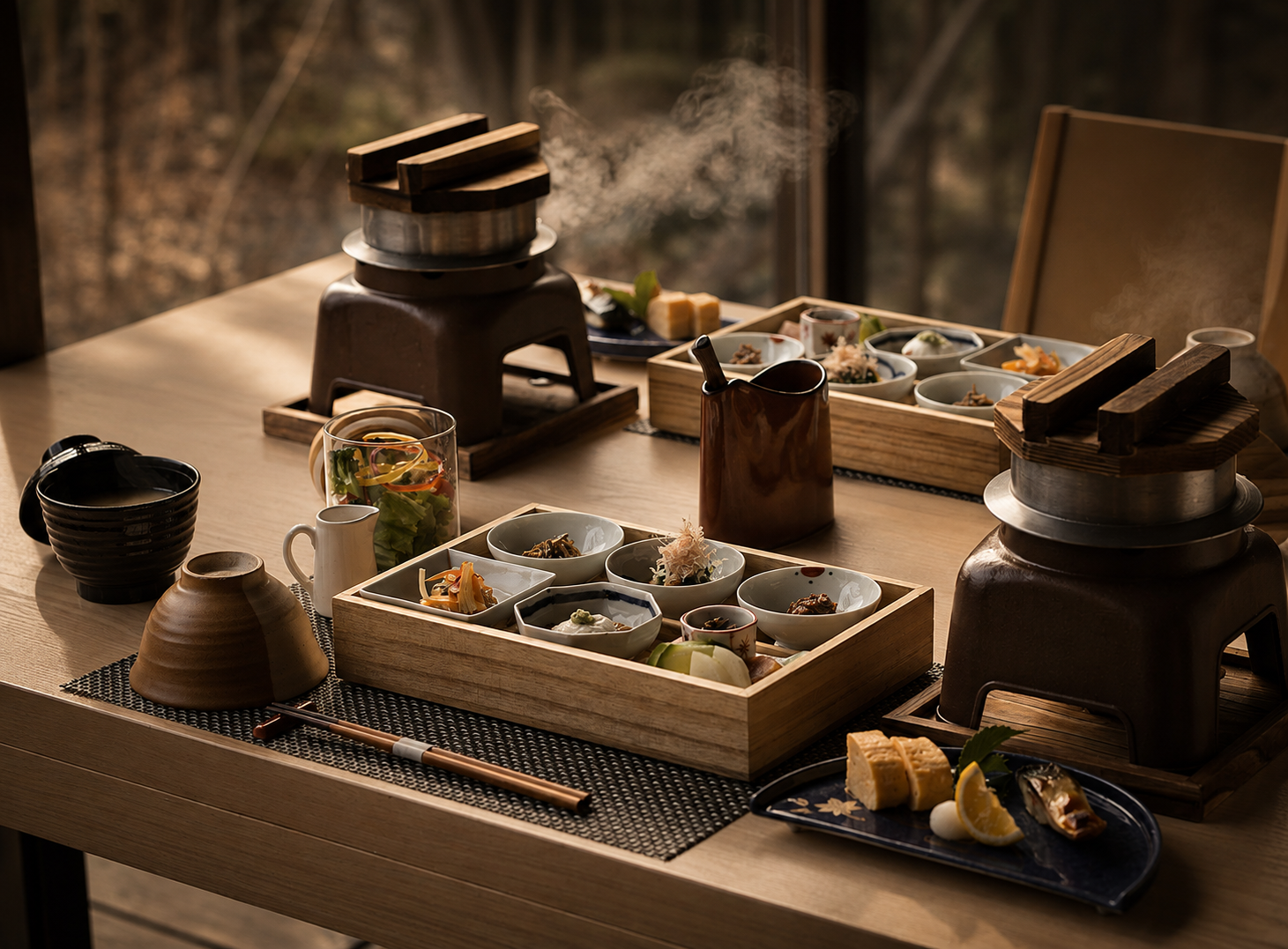
Increasingly, restaurants have become one of the strongest expressions of a hotel’s brand. A respected chef can establish a destination long before guests ever see a guestroom, while partnerships with local farmers, specialist coffee roasters, craft distilleries and independent bakeries create a stronger connection to place than imported luxury ever could. Across Europe, Asia and the Americas, some of the most exciting hospitality projects now revolve around food and beverage concepts that stand comfortably on their own, becoming part of the city’s cultural landscape rather than simply another hotel restaurant.
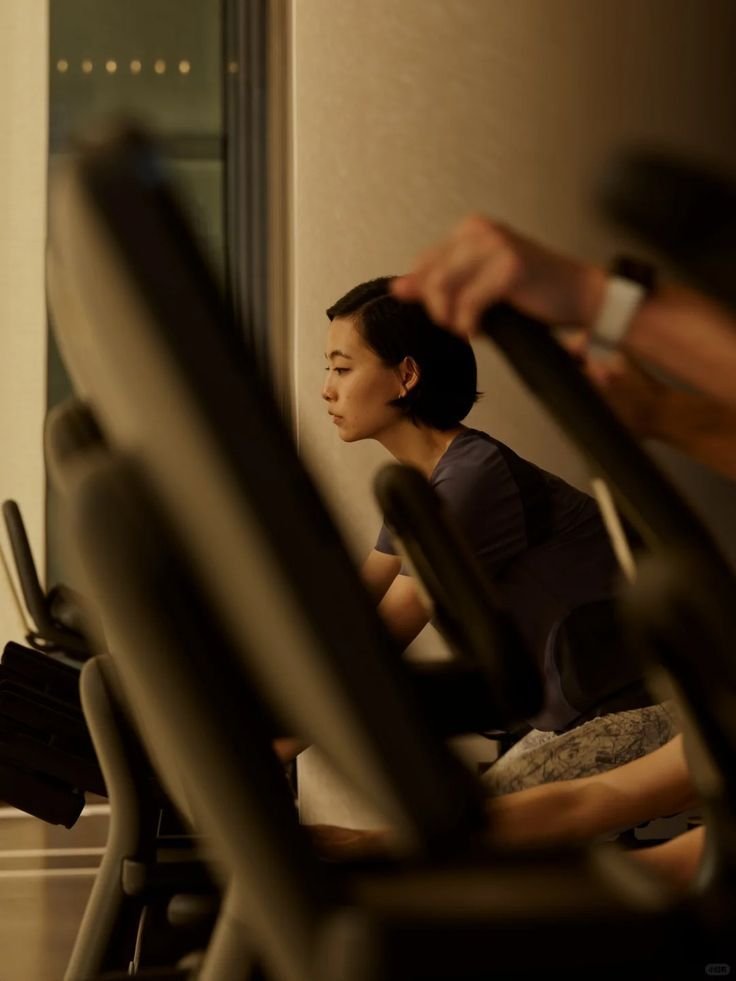
The same can be said for wellness. Once confined to basement spas and predictable treatment menus, wellness has become central to how many properties position themselves. Programmes built around longevity, sleep, mindfulness, movement and nutrition increasingly influence architecture, guest programming and even residential developments. Hotels are becoming places where people work remotely, recover, learn, socialise and spend meaningful time rather than simply somewhere to sleep between meetings or sightseeing.
This evolution has fundamentally changed the role of a branding agency for hospitality.
Branding is no longer something that begins with a logo and ends with a style guide. It starts much earlier by asking broader questions about purpose, audience and experience. What role should the hotel play within its neighbourhood? What rituals should become part of a guest’s stay? How should arrival feel? What makes the restaurant worth visiting even if you never stay overnight? How does the property evolve from a building into a brand that people actively seek out?
The answers influence almost every discipline that follows. Brand strategy informs architecture, interior design, landscape, food and beverage concepts, service philosophy, digital experiences, photography, uniforms, signage, retail, residences and marketing. Visual identity becomes only one expression of a much larger idea.
Perhaps the greatest challenge facing hospitality brands today is growth. Many begin with a single destination before expanding into new cities, countries and continents. The temptation is often to replicate what worked before, creating identical experiences that prioritise consistency over character. Yet the strongest contemporary brands have taken the opposite approach. They establish a clear philosophy while allowing every property to respond naturally to its own location, culture and community. A mountain retreat should never feel like an urban hotel simply because they share the same parent brand. Guests increasingly value authenticity over uniformity.
This approach also reflects changing expectations among travellers. Luxury is no longer measured solely by thread counts, marble bathrooms or Michelin stars, although each still has its place. Increasingly, value is found in experiences that feel thoughtful, personal and difficult to replicate. A ceramic cup thrown by a local artisan. A record collection curated by a neighbourhood musician. A seasonal tasting menu inspired by nearby producers. A carefully considered bookshop that introduces guests to the city’s creative scene. These details may appear small in isolation, yet together they shape how a destination is remembered.
Technology, too, has become quieter. The most successful hospitality experiences are increasingly frictionless rather than futuristic. Digital check-in, intelligent room controls and personalised guest communication now sit discreetly in the background, allowing human interaction to return to the forefront. Great service remains one of the few luxuries that cannot be automated, and in an age of increasing digital convenience, genuine hospitality has arguably become more valuable than ever.
Perhaps this is where the future of hospitality branding ultimately lies.
Not in creating louder identities, but more meaningful ones.
Not in designing hotels that look alike, but destinations that possess a clear point of view.
Not in chasing trends, but in building places that contribute something lasting to the communities around them.
The hotels that stay with us are rarely remembered because of a logo or colour palette. We remember breakfast that lasted until midday because no one hurried us to leave. We remember the bartender who recommended a hidden gallery instead of another cocktail. We remember the scent that drifted through the library each evening, the chair by the window where we read for hours, the ceramic bowl we couldn’t resist taking home from the hotel boutique.
Those moments are impossible to separate from the brand itself.
Increasingly, they are the brand.
Related