Modern life has never been more connected, yet many people have never felt more disconnected.
We spend our days moving between screens, airports, offices and cities, surrounded by constant information, noise and expectation. As technology has accelerated the pace of everyday life, travel has evolved beyond simply visiting somewhere new. Increasingly, people are searching for places that allow them to slow down, reconnect with nature and spend meaningful time with family, friends and themselves.
This shift is reshaping the hospitality industry.
Across luxury hotels, resorts, wellness retreats and destination developments, success is no longer measured solely by room count, facilities or architectural scale.
The most memorable destinations create something far more valuable: a genuine sense of place.
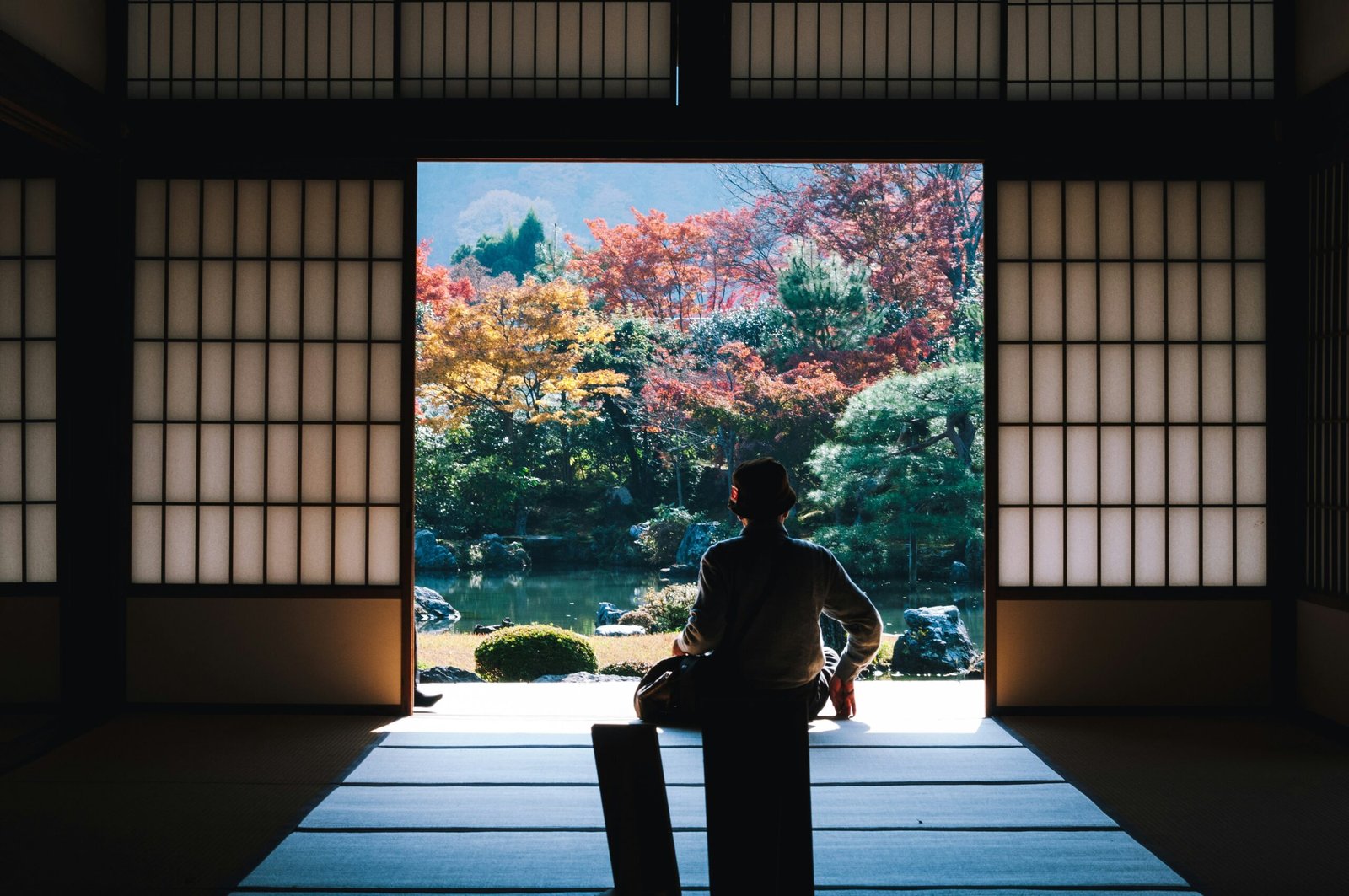
Hospitality Is About More Than Buildings
Great hospitality has always been about making people feel welcome, but today’s travellers expect something deeper.
A destination should feel connected to its landscape, its culture and its community. It should offer experiences that cannot simply be replicated somewhere else.
Whether overlooking the Indian Ocean, nestled within a Japanese mountain valley or set amongst tropical rainforest, the environment itself becomes one of the property’s greatest assets. The role of design is not to compete with nature, but to reveal it.
The strongest hospitality concepts are those that help guests appreciate where they are, rather than reminding them of everywhere else.
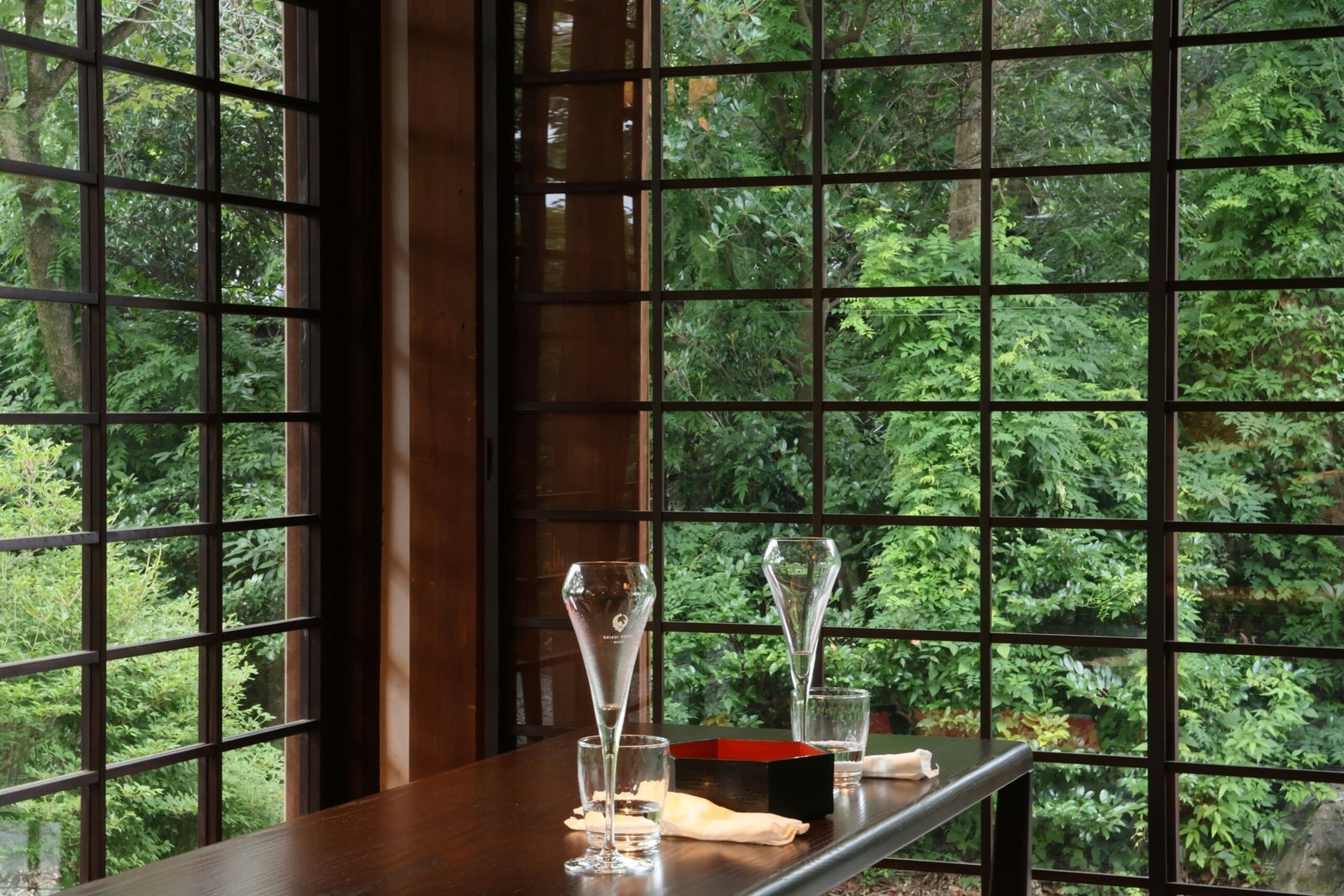
The Return of Nature
Over the past decade, there has been growing recognition of the relationship between nature and wellbeing.
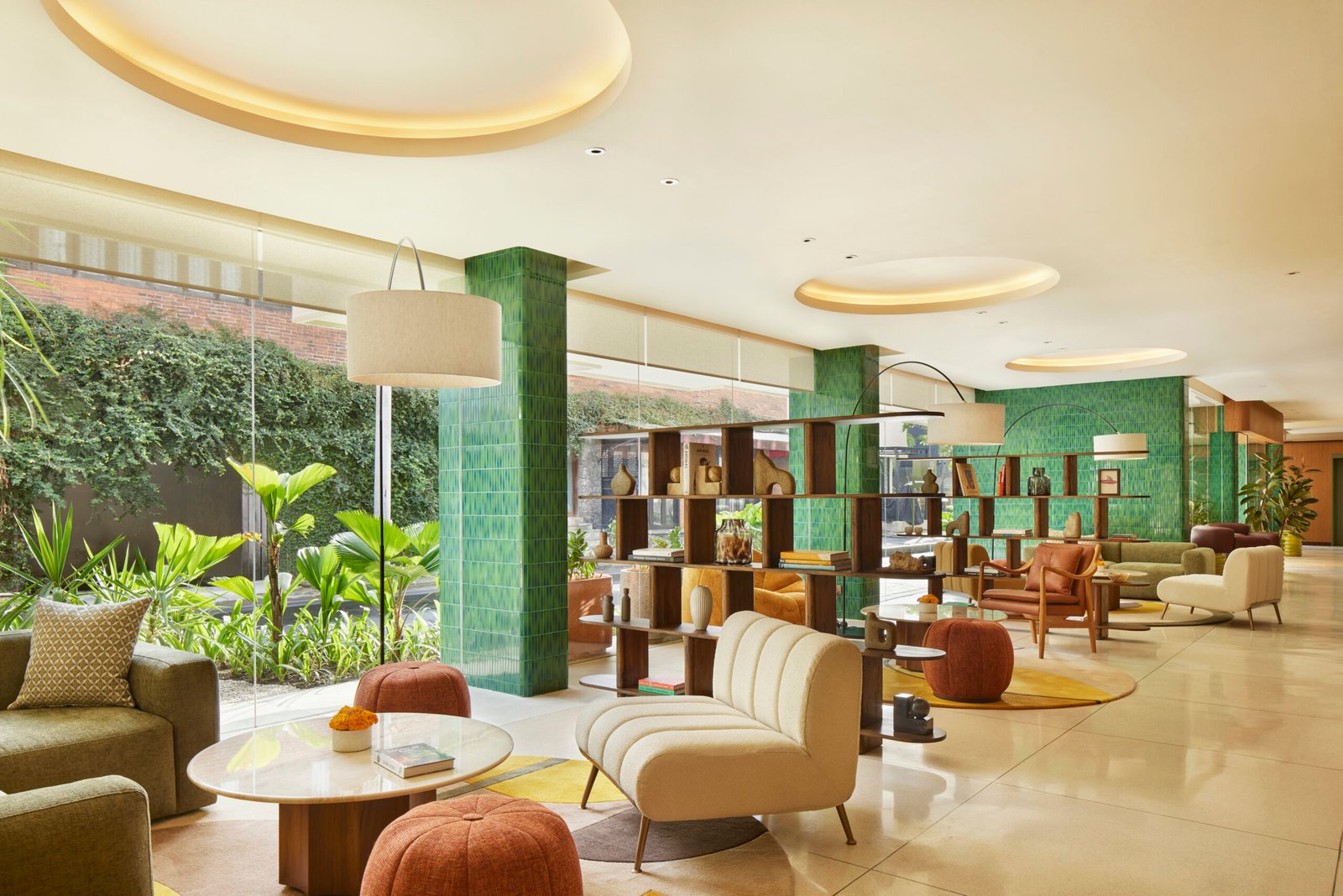
Hotels are responding by placing greater emphasis on gardens, natural light, native planting, outdoor living spaces and architecture that works with the surrounding environment rather than against it.
For guests, this creates more than beautiful scenery. It encourages slower mornings, longer conversations, better sleep and a stronger connection with the destination itself.
In tropical environments, this might mean open-air pavilions that embrace natural ventilation and blur the boundary between indoors and outdoors.
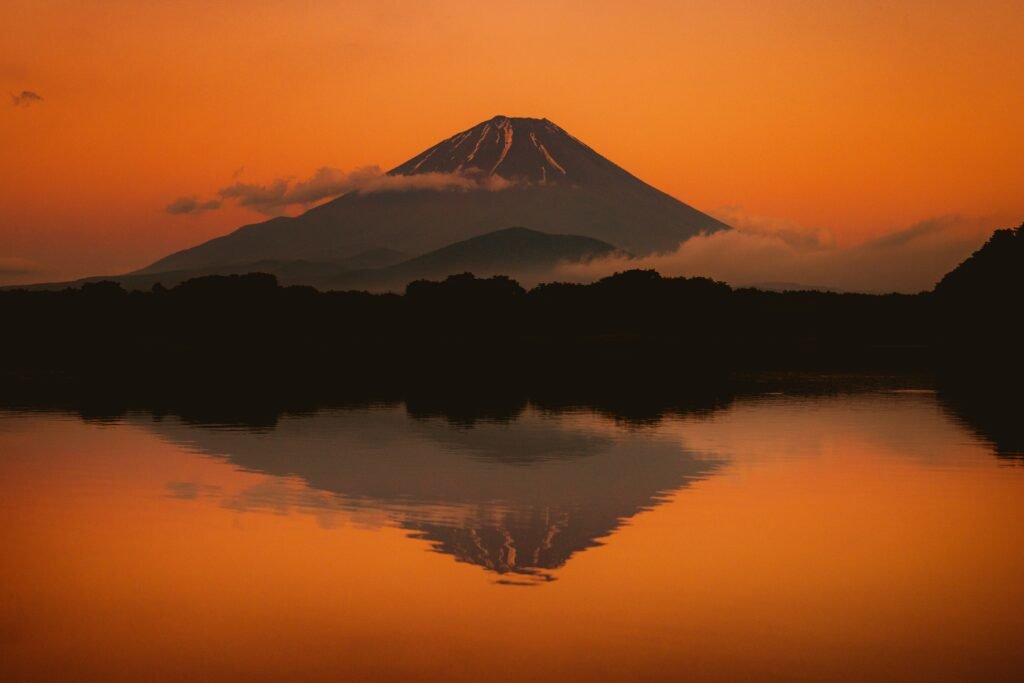
In Japan, it may be a carefully framed courtyard, seasonal planting or architecture that celebrates changing light throughout the year.
Although these destinations are very different, they share the same principle: allowing nature to become an active part of the guest experience.
Authenticity Creates Lasting Memories
Travellers increasingly value experiences that feel genuine rather than manufactured.
This is why locally sourced materials, regional craftsmanship, indigenous planting and cultural storytelling have become essential ingredients in successful hospitality design.
Authenticity does not mean recreating history or relying on clichés. It means understanding what makes a destination unique and expressing that identity in a contemporary way.
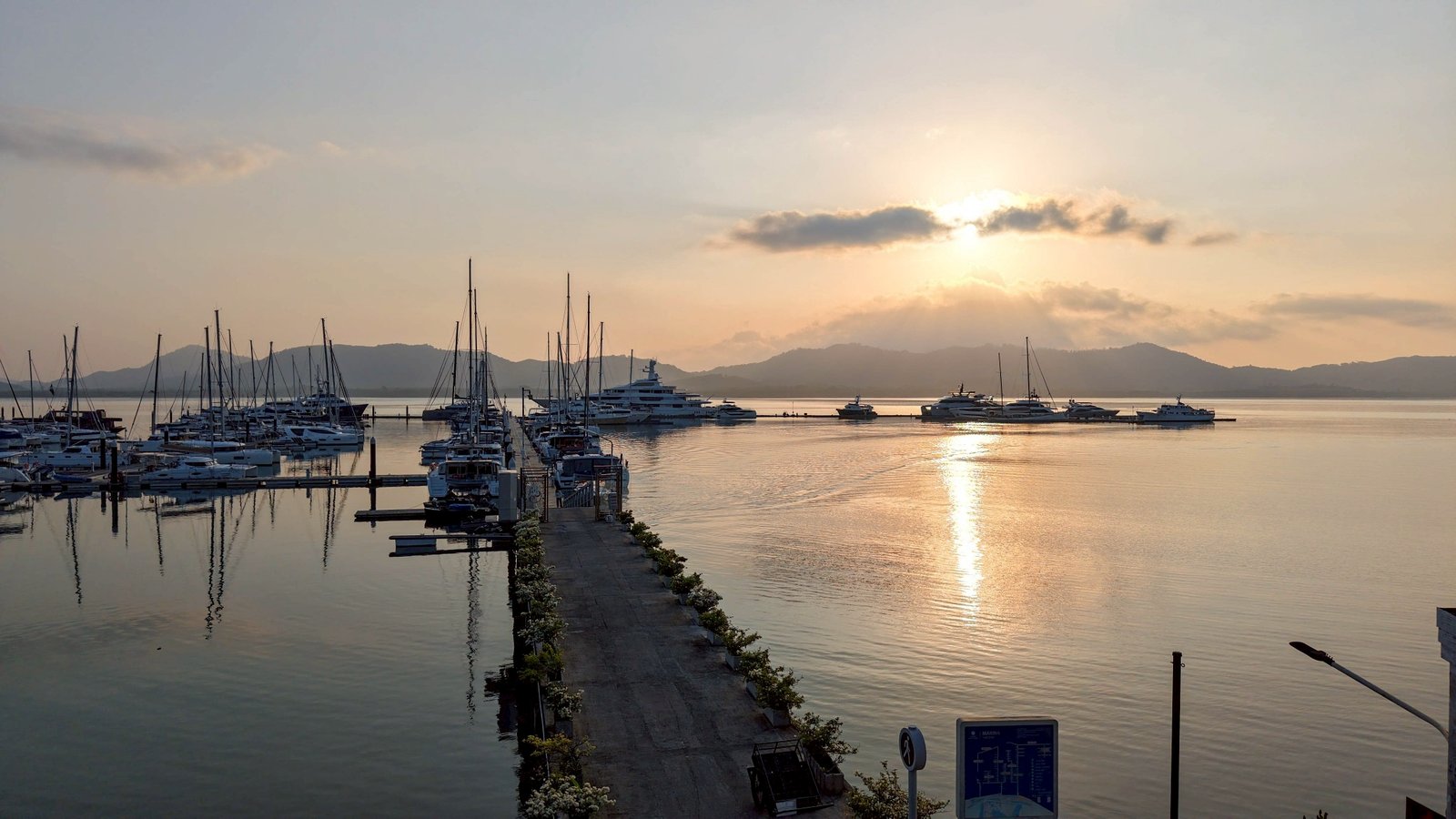
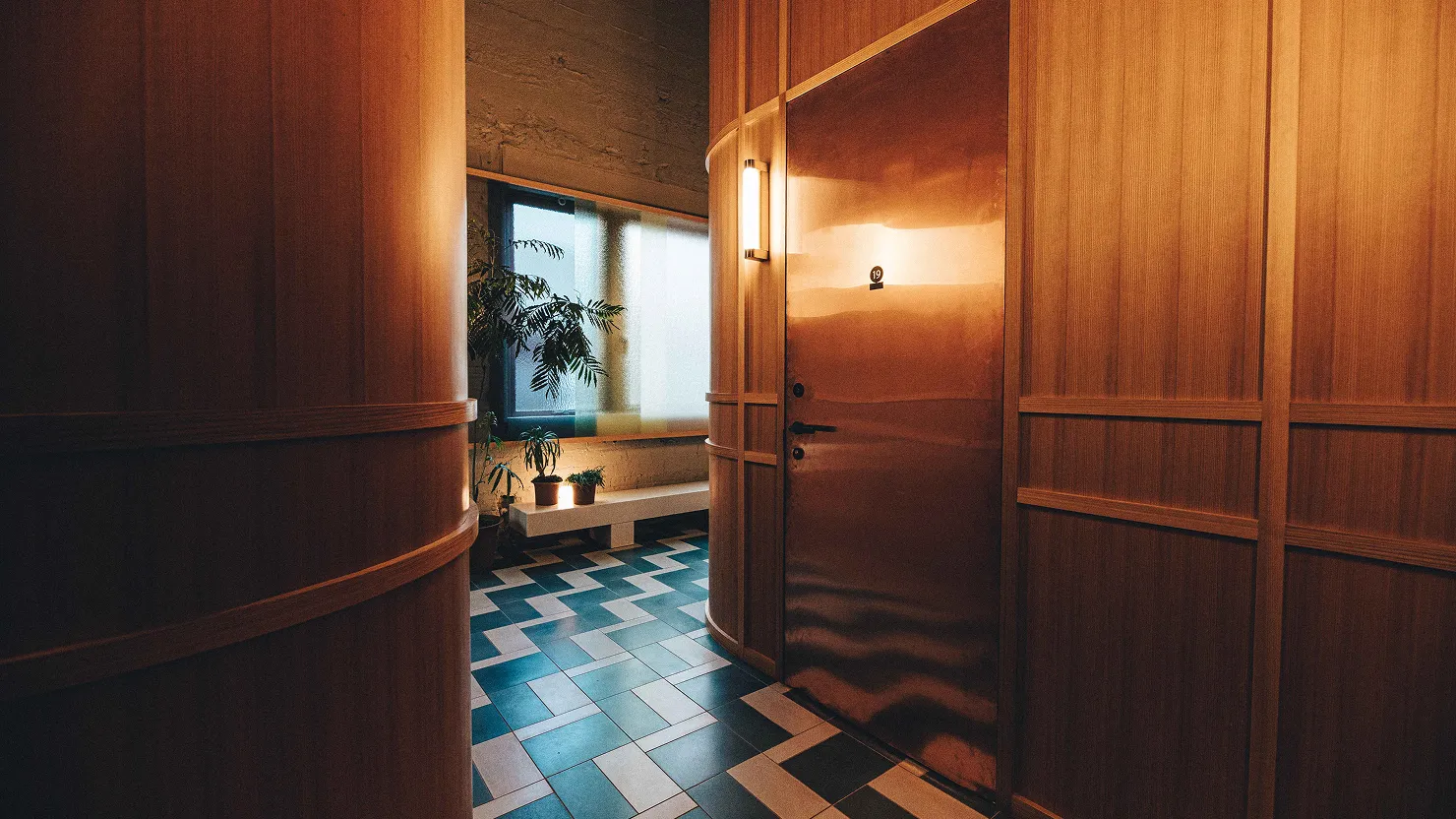
Whether creating a luxury resort in Indonesia, a waterfront destination in Thailand or a modern ryokan in Japan, the objective should always be to strengthen the relationship between people and place.
When guests leave feeling they have experienced something they could only have experienced there, the brand has succeeded.
Designing Spaces That Encourage Human Connection
One of hospitality’s greatest strengths is its ability to bring people together.
Shared dining experiences, wellness journeys, beach walks, family gatherings, cultural workshops and moments of quiet reflection all create memories that extend far beyond the physical environment.
The design of these experiences deserves as much attention as the architecture itself.
Successful destinations carefully choreograph how guests move through spaces, where they naturally gather, how privacy is balanced with community and how every touchpoint contributes to a coherent experience.
Great hospitality design is ultimately about people rather than buildings.
A Holistic Approach to Destination Branding
At ADELAHAYE, we believe branding should never begin with a logo.
Every successful hospitality project starts by understanding the landscape, the culture, the market, the guest and the long-term commercial vision for the development.
Only then can architecture, interiors, branding, communications and guest experience come together as one cohesive story.
Having delivered hospitality branding projects across Indonesia, Thailand, Japan, Singapore, Australia and the Maldives, we have seen that every destination has its own identity waiting to be discovered.
Our role is to reveal that identity, creating brands that feel authentic to their surroundings while delivering meaningful commercial value for developers, operators and investors.
Looking Forward
As hospitality continues to evolve, travellers will increasingly choose destinations that offer experiences they cannot find through technology or routine.
They will seek places that celebrate nature instead of hiding it, communities instead of isolation and authenticity instead of imitation.
For the hospitality industry, this presents an opportunity to create environments that enrich people’s lives while protecting the landscapes and cultures that make each destination unique.
The future of hospitality will not simply be defined by luxury or innovation.
It will be defined by places that help people reconnect—with nature, with local culture and with one another.
For designers, developers and hotel operators alike, that may be the most valuable experience a destination can offer.