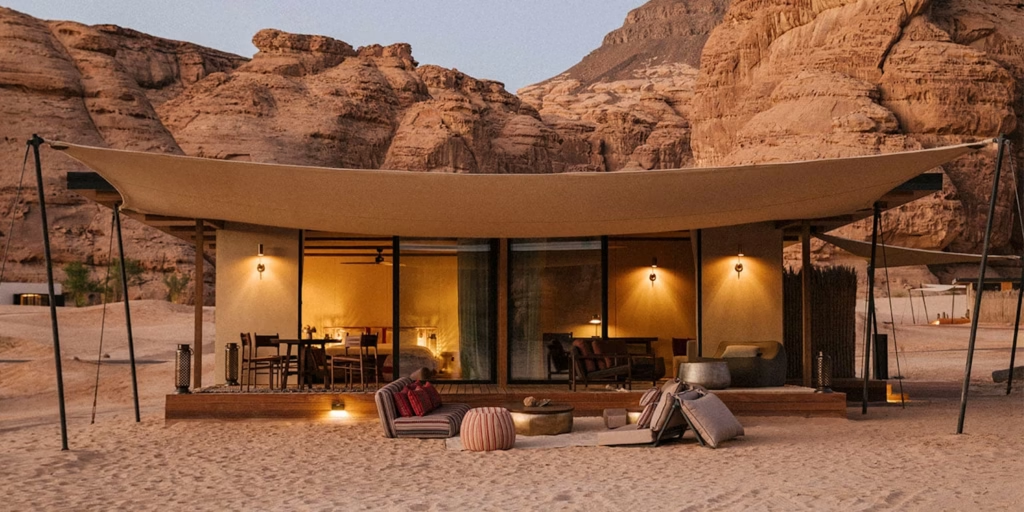
One of the more interesting shifts I’ve observed across the hospitality industry over the past few years is the growing convergence between luxury and lifestyle brands.
For decades, the distinction was relatively clear. Luxury hotels and resorts were typically defined by larger guestrooms, extensive facilities, multiple dining venues, spas, concierge services, highly personalised service and an overall emphasis on exclusivity. Lifestyle brands, meanwhile, emerged as a response to a changing generation of travellers, placing greater emphasis on design, culture, community, local immersion and a more informal style of hospitality.
At one stage, the contrast between the two felt quite pronounced. Luxury often focused on consistency, refinement and service, while lifestyle brands differentiated themselves through personality, creativity and a stronger connection to place.
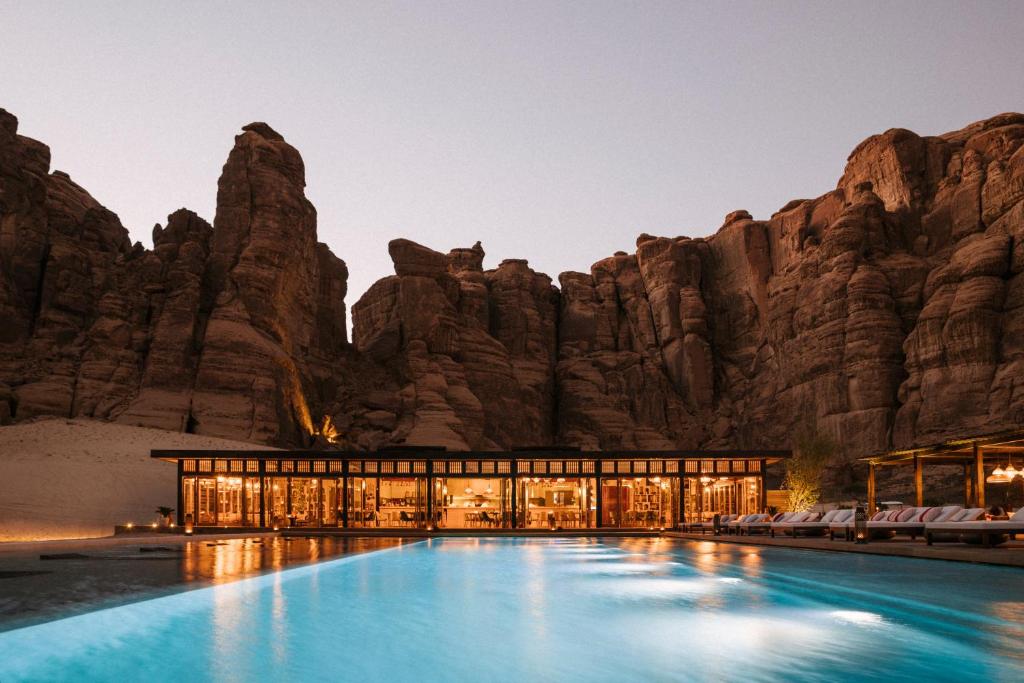
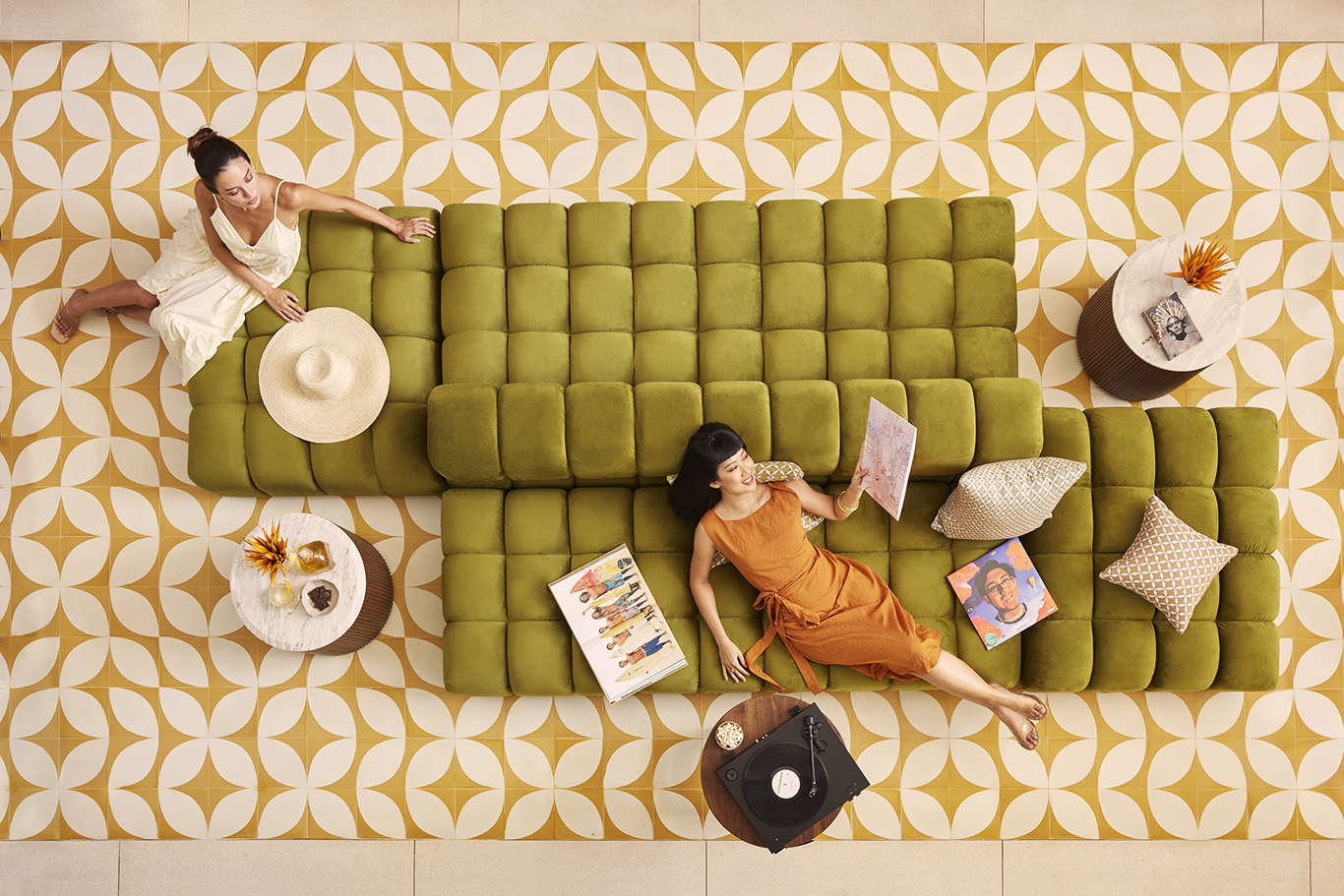
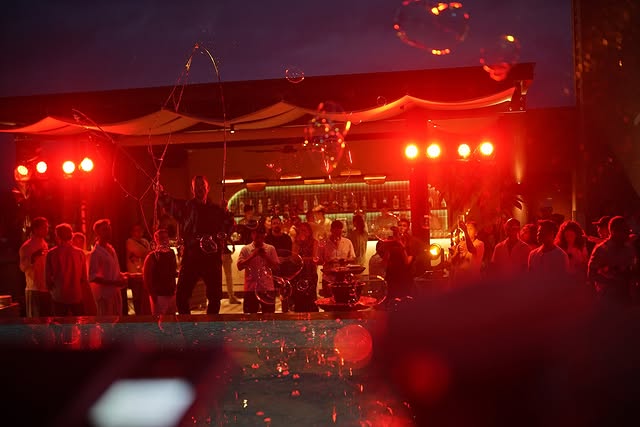
Habitas : Luxury hotels and resorts
Today, however, those distinctions feel far less defined.
Having spent time recently in both luxury and lifestyle properties across cities such as Kuala Lumpur, Jakarta, Bangkok and Tokyo, I’ve found myself increasingly drawn to the similarities rather than the differences. Many luxury hotels have become more design led, more culturally connected and more experience driven than ever before. At the same time, many lifestyle brands have matured significantly, elevating their food and beverage programmes, wellness offerings, accommodation standards and overall guest experience.
In many instances, guests are no longer choosing between luxury and lifestyle in the traditional sense. They are choosing between experiences.
This shift is perhaps most evident in urban markets. Cities such as Bangkok and Jakarta, for example, offer an extraordinary range of hospitality options across both segments. Guests can often choose between internationally recognised luxury brands, highly regarded lifestyle hotels and independent boutique properties at surprisingly comparable rates. The decision is increasingly influenced not by category, but by relevance. Which property aligns with the purpose of the trip? Which brand feels most authentic? Which experience best reflects how the guest wants to travel?
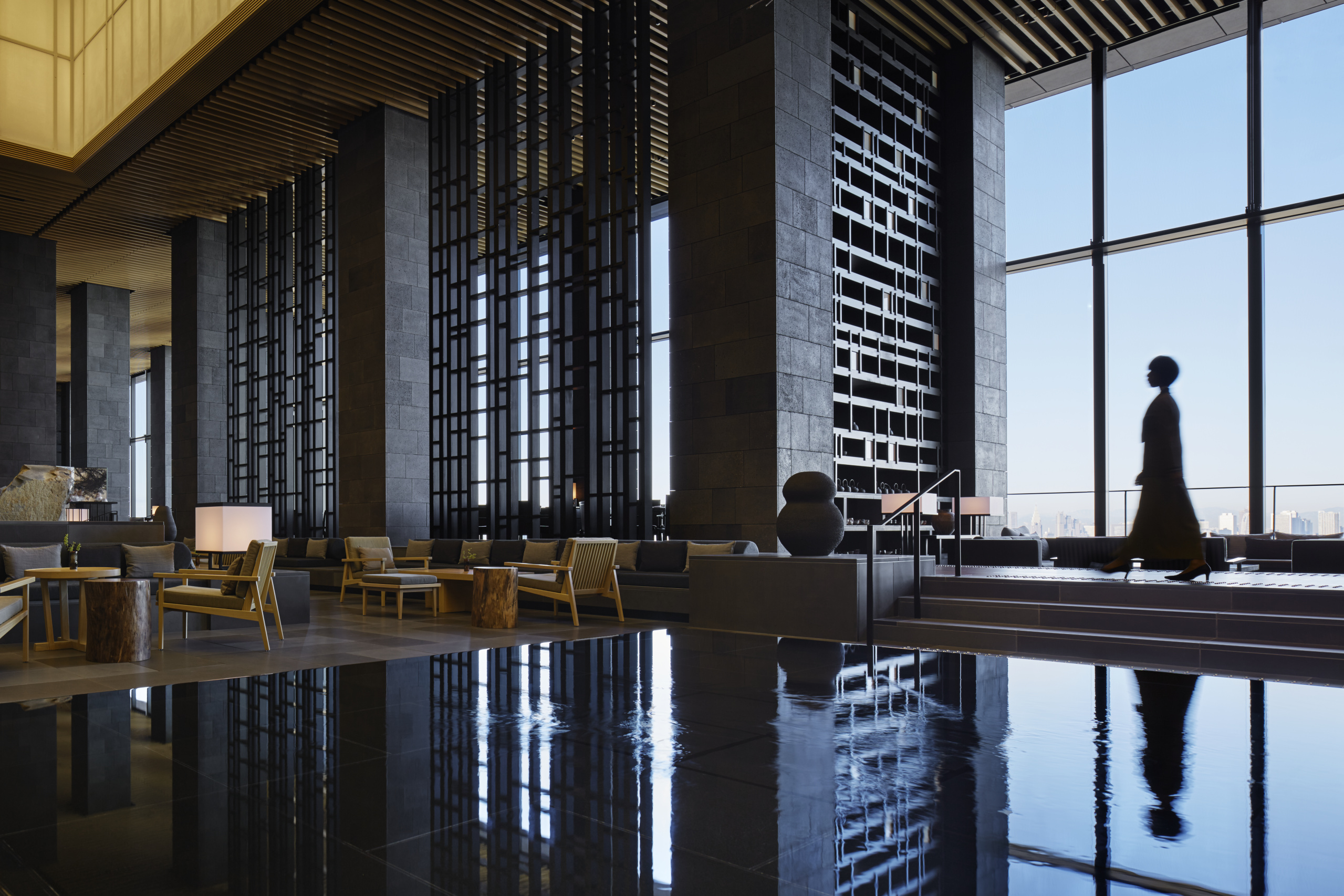
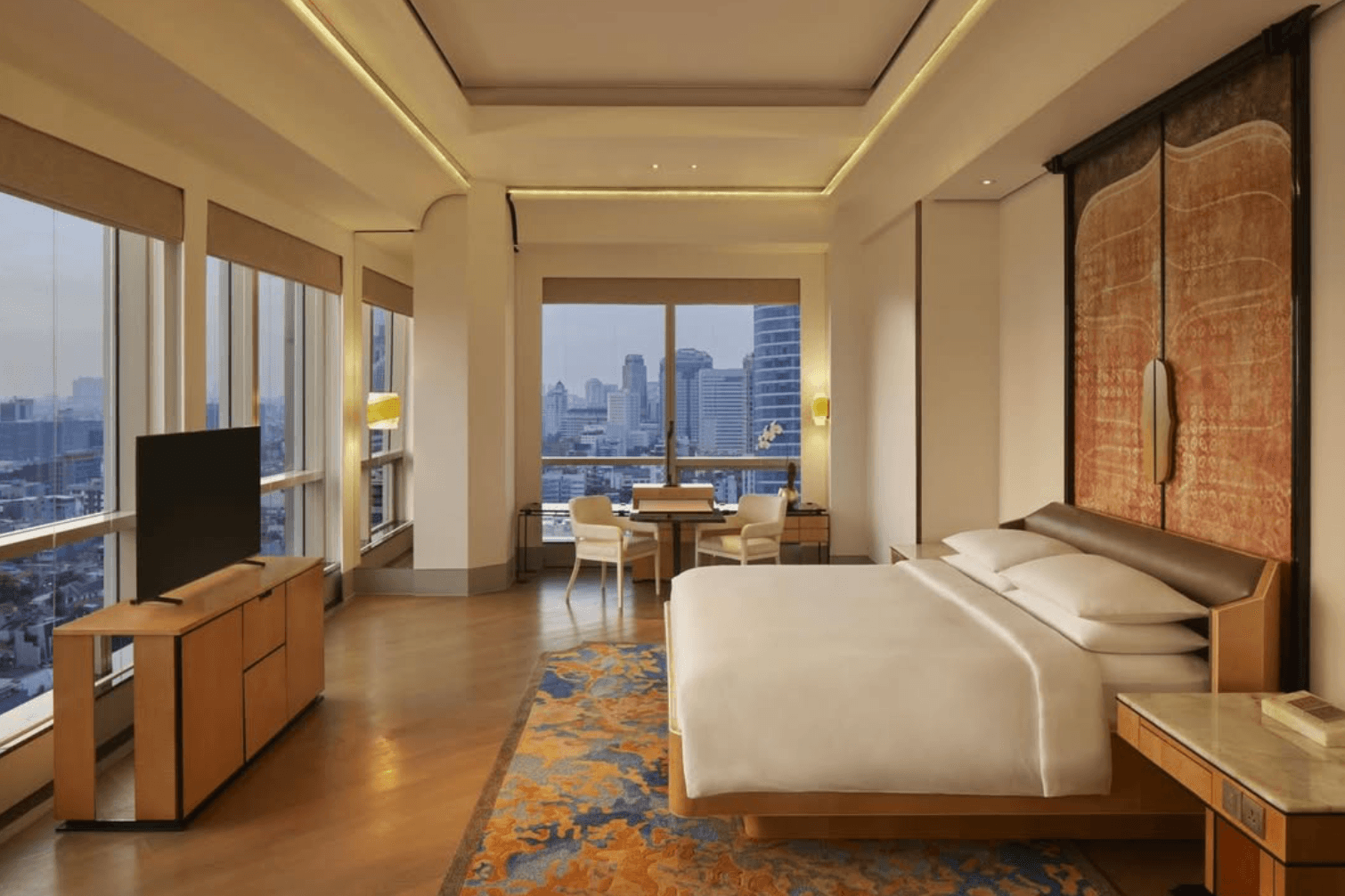
Aman Tokyo – Defining Urban Luxury
That represents a significant evolution from how hospitality was traditionally marketed.
Today’s travellers are seeking thoughtful design, authentic experiences, meaningful wellness, exceptional food and beverage and a genuine sense of place. These qualities are no longer exclusive to either luxury or lifestyle hospitality. Increasingly, they are expected across both.
In many respects, the luxury segment itself has evolved considerably. Brands such as Aman, Rosewood and Four Seasons have long understood that luxury extends far beyond physical facilities. Their success has often been rooted in creating a strong emotional connection to place, culture and service. While these brands continue to offer exceptional accommodation and amenities, their enduring appeal is often found in the way they make guests feel rather than simply what they provide.
At the same time, lifestyle hospitality has matured. Early lifestyle brands often positioned themselves as an alternative to traditional luxury, placing design, culture and community at the centre of the experience. Today, many of those same principles have become mainstream expectations across the broader hospitality industry.
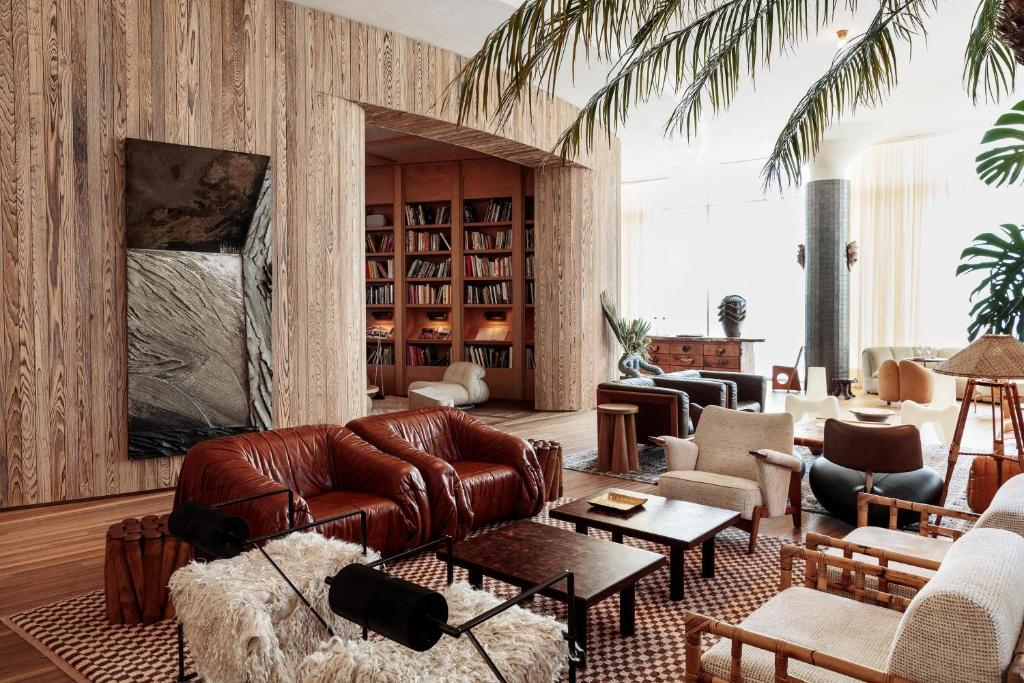
Proper Hotels – Luxury Lifestyles
The rise of independent boutique hotels and soft brands has only accelerated this trend.
Guests increasingly seek individuality and authenticity rather than standardisation. This has created opportunities for smaller operators to compete successfully against much larger hospitality groups by offering distinctive experiences and stronger local connections. In response, many of the major hotel companies have expanded their own portfolios to include soft brands and collections that allow independent properties to retain their individuality while benefiting from global distribution, loyalty programmes and operational support.
This has created an increasingly diverse hospitality landscape where guests can move seamlessly between luxury hotels, lifestyle hotels, boutique properties and branded residences without necessarily perceiving the traditional distinctions that once separated them.
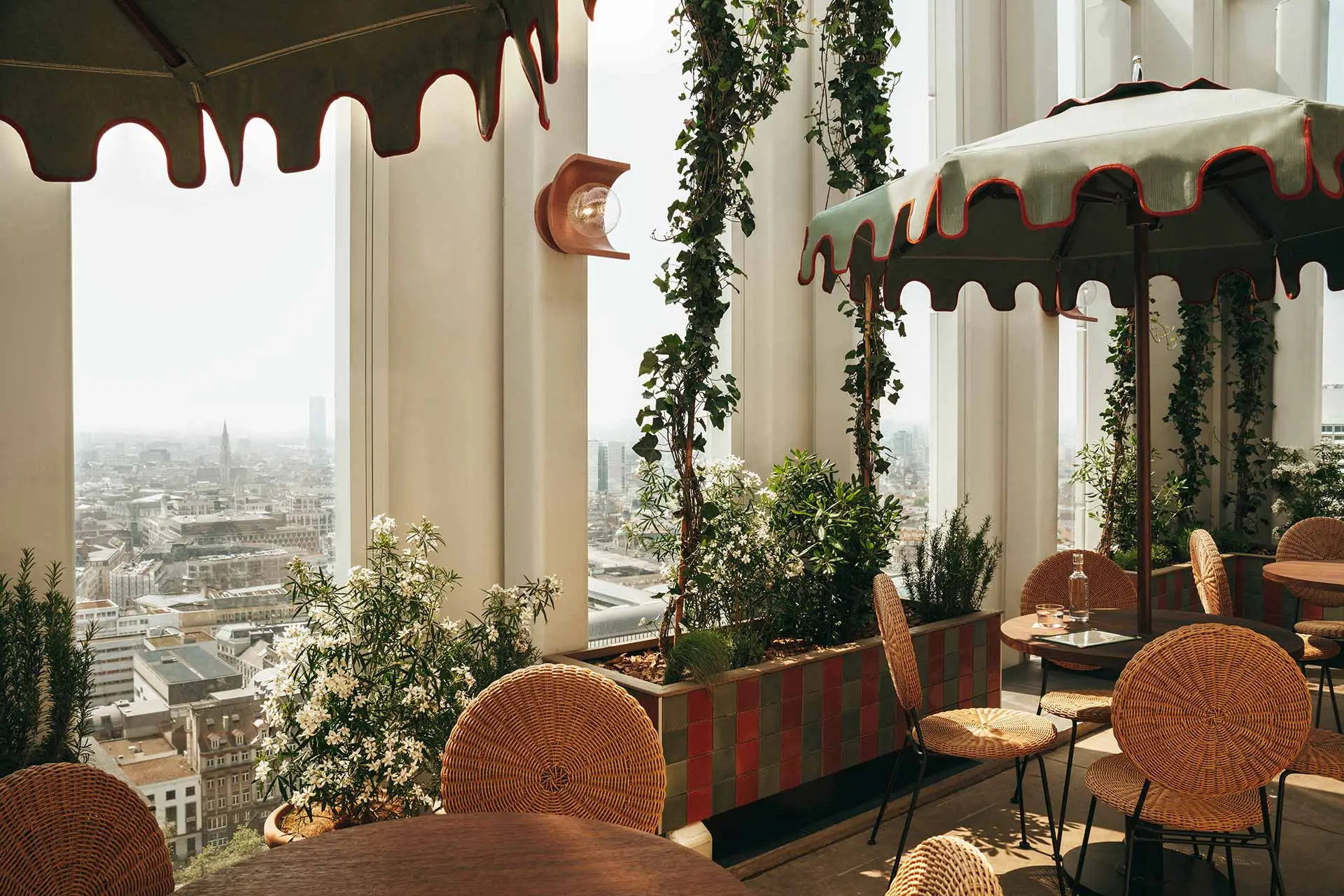
The Hoxton – Early Movers
The growing influence of wellness is another factor driving convergence between the segments.
Not long ago, wellness was often viewed as an additional amenity, typically associated with luxury resorts and destination spas. Today it has become an expectation across almost every category of hospitality. Whether travelling for business, leisure or a combination of both, guests increasingly expect access to fitness, recovery, outdoor activities, healthy dining options and experiences that support their physical and mental wellbeing.
The same can be said for food and beverage.
There was a time when luxury hotels competed through scale, offering multiple restaurants, bars and dining concepts under one roof. While these facilities remain important, today’s guests are often more interested in authenticity than quantity. A single exceptional dining venue with a strong local story may hold greater appeal than a collection of outlets that lack a clear identity. Again, this is an area where the traditional distinctions between luxury and lifestyle continue to narrow.
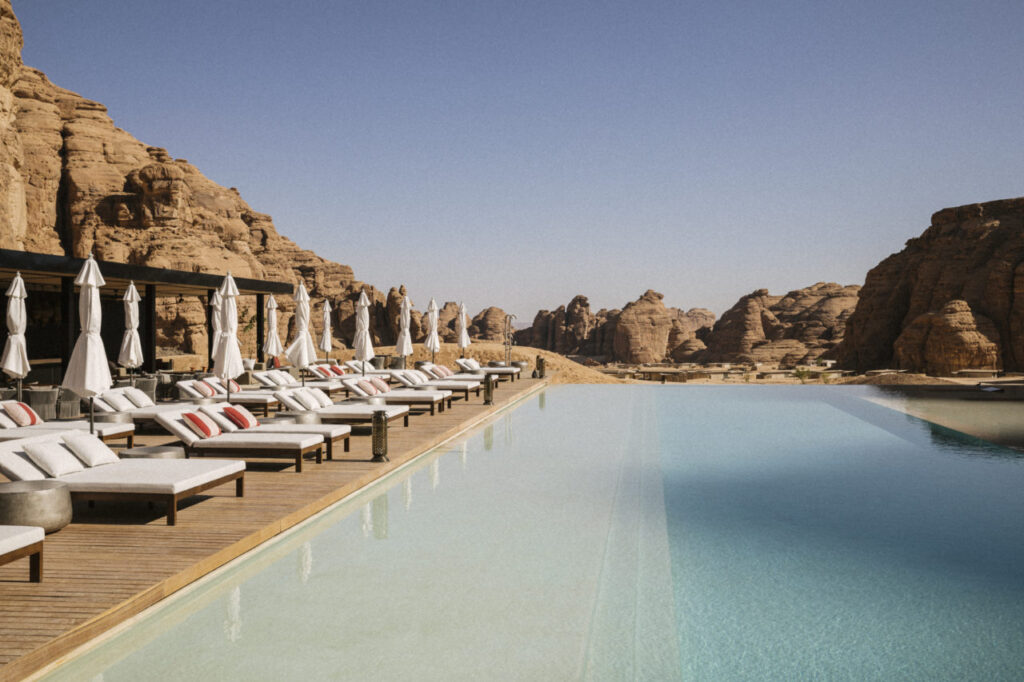
Habitas Resort – Design Led Excellence
Design has perhaps undergone the most significant transformation of all.
For many years, luxury hospitality often communicated through a visual language centred around opulence, grandeur and formality. Contemporary luxury increasingly embraces a different aesthetic. Natural materials, local craftsmanship, cultural references and a stronger sense of authenticity have become increasingly important. The shift is particularly visible throughout Asia, where many of the region’s most successful luxury resorts are moving away from overt displays of luxury in favour of more understated, culturally grounded experiences.
Interestingly, many of these qualities were once considered hallmarks of lifestyle hospitality.
This raises an important question.
Are luxury brands becoming more lifestyle oriented, or are lifestyle brands becoming more luxurious?
The answer is probably both.
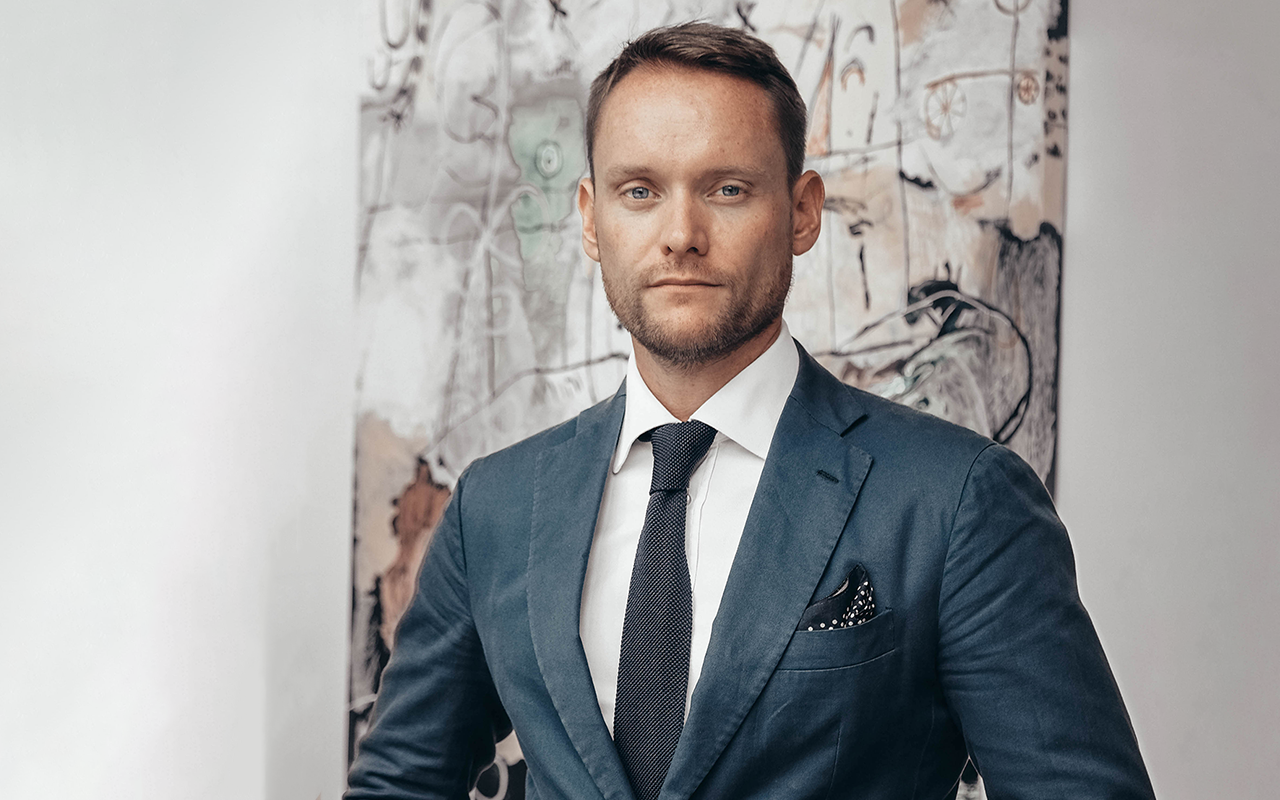
“For a long time, particularly over the last decade, luxury became something of a dirty word. Yet perhaps we’re now seeing its resurgence, for lack of a better word, through the emergence of luxury lifestyle brands and experiences.”
— Alexander de la Haye Davies
There was certainly a period when many brands actively distanced themselves from the language of luxury. Concepts such as lifestyle, community, wellness, culture and local immersion became more prominent as operators sought to appeal to changing traveller expectations. Luxury was sometimes perceived as overly formal, overly exclusive or disconnected from the way modern travellers wished to experience the world.
Yet perhaps luxury never disappeared at all.
Perhaps it simply evolved.
What many travellers are seeking today could arguably be described as a luxury lifestyle experience. They still expect exceptional service, quality and attention to detail. However, they also want authenticity, individuality, flexibility and meaningful connections to people and place. They want hotels and resorts that feel personal rather than prescribed. They want experiences that feel genuine rather than manufactured.
This evolution extends beyond hotels and resorts into the rapidly growing branded residences sector.
Across Asia and beyond, branded residences continue to attract buyers who are not simply purchasing real estate, but buying into a lifestyle, a community and a brand promise. Here too, the distinction between luxury and lifestyle becomes increasingly difficult to define. Buyers expect the service standards and operational confidence associated with luxury hospitality, while also seeking the design, wellness, cultural connection and sense of belonging often associated with lifestyle brands.
Perhaps this is why the concept of luxury lifestyle feels increasingly relevant.
Not because it represents an entirely new category, but because it reflects the convergence of qualities that modern travellers and homeowners increasingly value.
Whether developing a luxury hotel, a lifestyle resort, a branded residence or an independent boutique property, the challenge facing brands today is remarkably similar. It is no longer enough to rely solely on facilities, amenities or location. Success increasingly depends on creating a distinctive identity, a compelling story and a meaningful connection with guests.
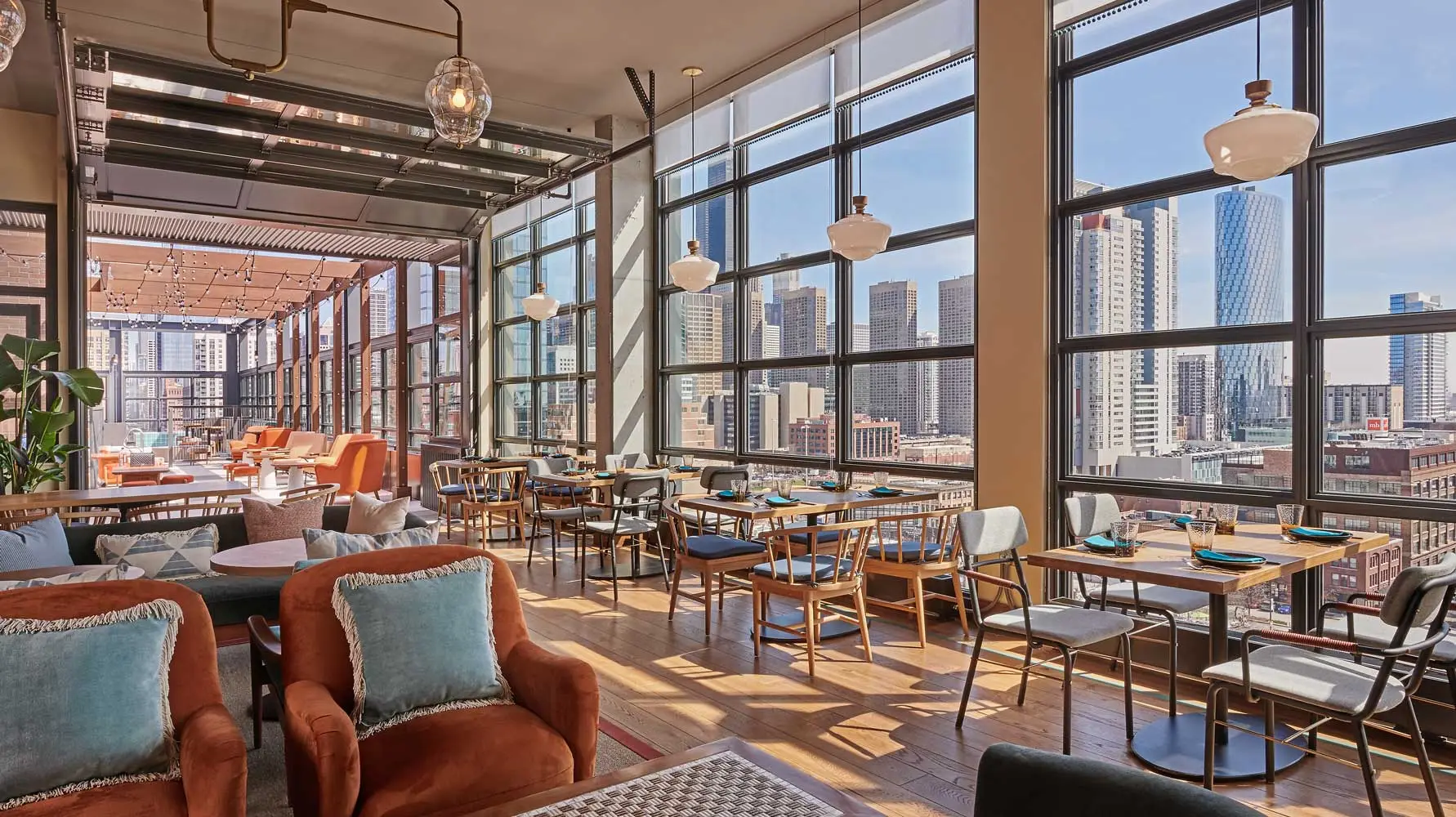
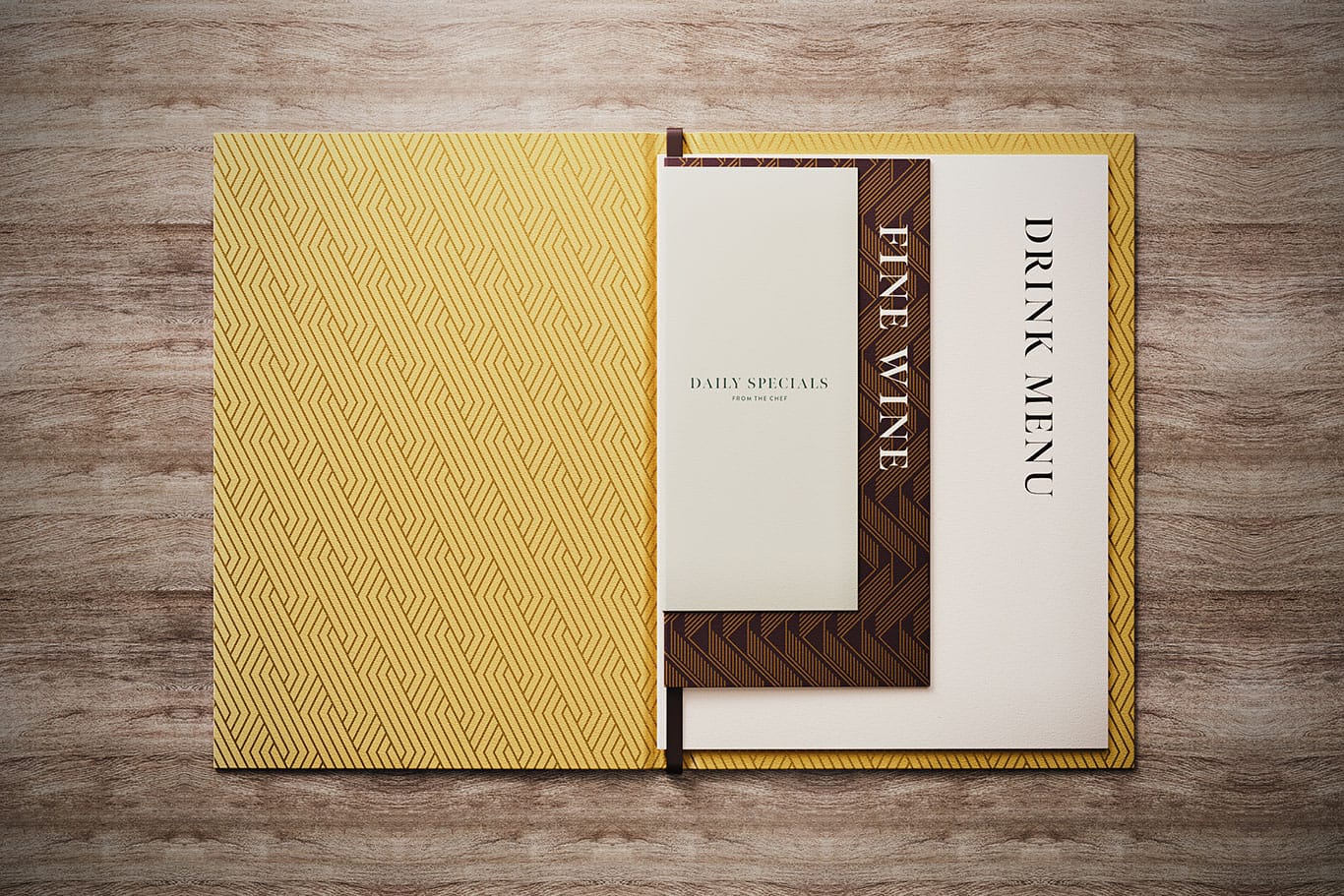
Proepr Hotels – F&B
The future of hospitality may not belong exclusively to luxury brands or lifestyle brands.
Instead, it may belong to those capable of combining the best qualities of both.
Brands that can deliver exceptional service without formality. Authenticity without compromise. Design with purpose. Wellness with relevance. Experiences that are both aspirational and deeply personal.
The question may no longer be whether a brand is luxury or lifestyle.
The more interesting question is whether we are witnessing the emergence of a new generation of luxury lifestyle brands that successfully combine the strengths of both worlds.
If current trends are any indication, the answer may already be unfolding before us.