Brand Architecture
Brand architecture provides the strategic framework that organises how brands, sub-brands and experiences work together. At ADELAHAYE, we develop brand architecture for luxury hotels, resorts, branded residences, mixed-use developments and hospitality destinations, creating clear relationships between brands that strengthen customer understanding, improve commercial performance and support long-term growth.
A well-defined brand architecture creates clarity, consistency and a scalable foundation for hospitality brands and destination developments.
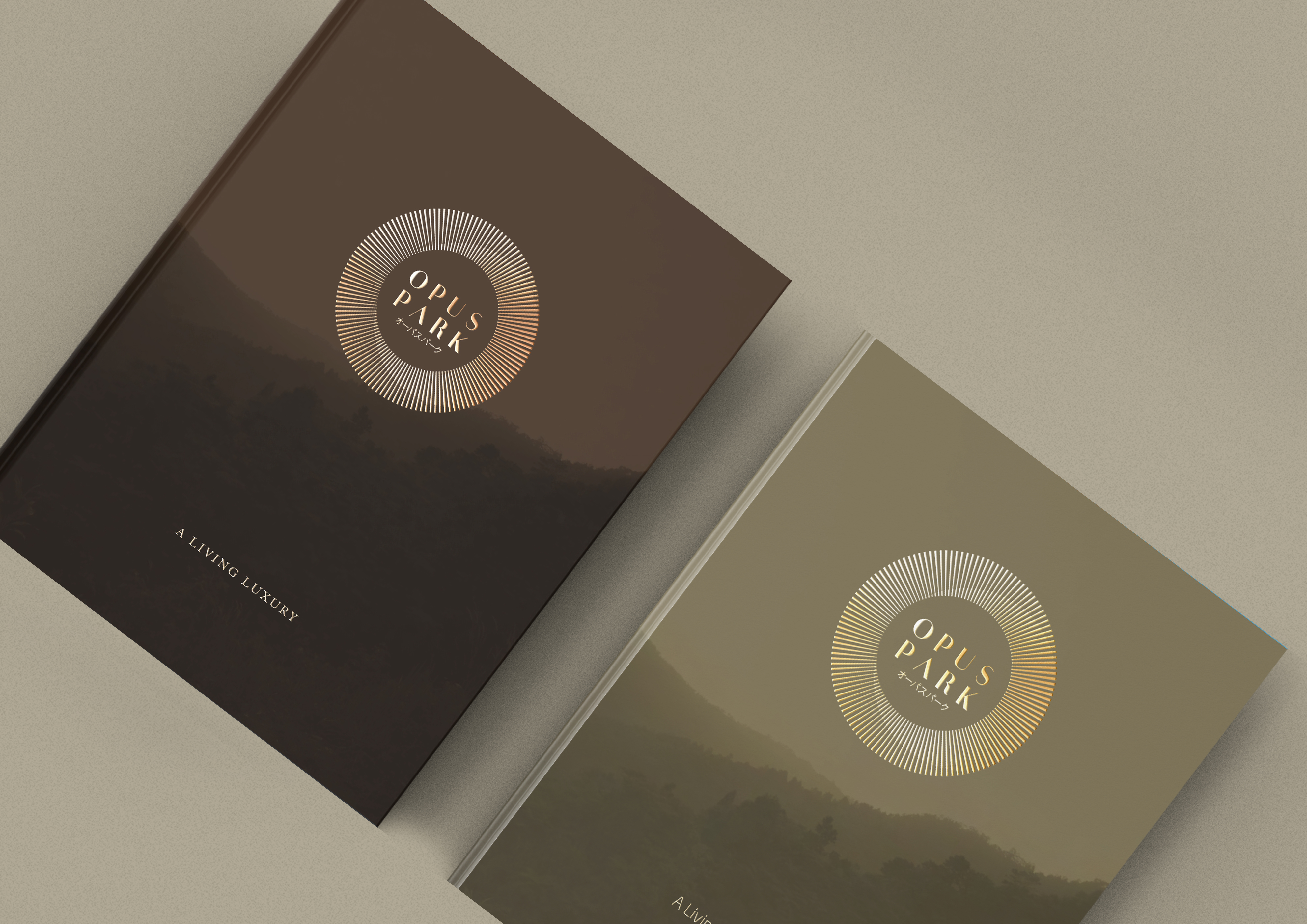
Brand Architecture and its importance in crafting a strong brand identity for hotels, resorts and branded residences
As hospitality projects become increasingly complex, a clear brand architecture is essential. Modern luxury resorts, mixed-use developments and branded residences often include multiple accommodation offerings, restaurants, wellness concepts, beach clubs, retail, residential communities and lifestyle experiences. Without a strategic framework, these individual elements can compete with one another rather than contributing to a stronger, unified brand.
At ADELAHAYE, brand architecture is developed early within the hospitality branding process to ensure every brand relationship is intentional. We define how the master brand should interact with supporting brands, how independent experiences should be positioned and how guests, residents and investors can navigate an ecosystem of products and services with clarity and confidence.
A successful brand architecture is about far more than creating an organisational chart. It establishes the hierarchy, purpose and role of every brand within a development, ensuring each contributes to the overall brand vision while maintaining its own distinct identity where appropriate. This strategic approach enables hospitality brands to grow without diluting their core positioning.
For luxury hotels and resorts, brand architecture often extends beyond the hotel itself. Restaurants, bars, wellness facilities, spas, beach clubs, retail concepts, signature residences and curated experiences may each require individual identities while remaining connected to the parent brand. The challenge is determining which experiences should strengthen the master brand and which should stand independently to maximise commercial potential.
Branded residences present another layer of complexity. Residential ownership, hospitality operations and lifestyle amenities must work together as a cohesive ecosystem while addressing the needs of multiple audiences. Buyers seek the confidence of an internationally recognised hospitality brand while also expecting a residential identity that reflects exclusivity, longevity and a genuine sense of home. A carefully considered brand architecture ensures these relationships remain clear and mutually reinforcing.
For mixed-use and real estate developments, brand architecture becomes even more important. Hotels, branded residences, retail precincts, wellness destinations, entertainment venues and commercial spaces all contribute to a single destination experience. Creating a strategic framework allows each component to fulfil its individual purpose while collectively strengthening the overall destination brand.
At ADELAHAYE, our brand architecture process is informed by market landscape research, competitor analysis, customer profiling and brand positioning. We evaluate the commercial objectives of the development alongside operational requirements, customer expectations and future expansion opportunities. This ensures the architecture remains relevant not only at launch but throughout the long-term evolution of the project.
Every decision within the architecture has implications for branding, marketing and guest experience. Naming conventions, visual identity systems, signage, digital platforms, communications and wayfinding all become significantly more effective when supported by a logical brand hierarchy. Consistency across these touchpoints creates stronger recognition, improves customer navigation and reinforces the overall brand experience.
Our experience across luxury hospitality projects has demonstrated the value of clear brand architecture. At Keraton at The Plaza, part of The Unbound Collection by Hyatt, the relationship between the master brand, guest experiences and hospitality touchpoints required careful strategic alignment to ensure the property’s independent character complemented Hyatt’s global positioning. For Andaz Bali Residences, the residential brand needed to reflect the values of the Andaz collection while establishing its own identity centred around community, connection and tranquil coastal living.
Projects such as Park Hyatt Maldives Hadahaa, boutique lifestyle hotels, destination resorts and branded residential communities throughout Asia have also required tailored brand architecture strategies that balance international hospitality standards with locally relevant experiences. Whether developing a luxury hotel, an integrated resort or a mixed-use real estate destination, the principles remain the same: every brand must have a clearly defined purpose and a meaningful relationship to the whole.
A well-designed brand architecture also supports operational efficiency. Internal teams, marketing departments, hospitality operators and external partners all benefit from a shared understanding of how brands should be represented, communicated and managed. This strategic clarity reduces inconsistency, strengthens governance and creates a more cohesive guest and resident experience.
As digital ecosystems continue to expand, brand architecture has become increasingly important for search visibility and online engagement. Clear relationships between brands improve website structure, strengthen SEO performance and provide AI-powered search platforms with greater context around how hospitality brands, resorts, hotels, branded residences and destination experiences connect. A logical architecture benefits both human audiences and search technologies alike.
As an international hospitality branding agency specialising in luxury hotels, resorts, branded residences and real estate developments, ADELAHAYE develops brand architecture systems that support long-term growth while preserving the integrity of every brand within the portfolio. Our strategic approach ensures that hospitality destinations remain coherent, scalable and commercially effective as they evolve over time.
Strong hospitality brands are rarely built around a single idea. They are built through a carefully connected family of experiences that work together to create greater value than any individual element could achieve alone. Brand architecture provides the strategic foundation that unifies those experiences, creating luxury hospitality brands and destination developments that are clear, memorable and built for lasting success.
As hospitality projects become increasingly complex, a clear brand architecture is essential. Modern luxury resorts, mixed-use developments and branded residences often include multiple accommodation offerings, restaurants, wellness concepts, beach clubs, retail, residential communities and lifestyle experiences. Without a strategic framework, these individual elements can compete with one another rather than contributing to a stronger, unified brand.
At ADELAHAYE, brand architecture is developed early within the hospitality branding process to ensure every brand relationship is intentional. We define how the master brand should interact with supporting brands, how independent experiences should be positioned and how guests, residents and investors can navigate an ecosystem of products and services with clarity and confidence.
A successful brand architecture is about far more than creating an organisational chart. It establishes the hierarchy, purpose and role of every brand within a development, ensuring each contributes to the overall brand vision while maintaining its own distinct identity where appropriate. This strategic approach enables hospitality brands to grow without diluting their core positioning.
For luxury hotels and resorts, brand architecture often extends beyond the hotel itself. Restaurants, bars, wellness facilities, spas, beach clubs, retail concepts, signature residences and curated experiences may each require individual identities while remaining connected to the parent brand. The challenge is determining which experiences should strengthen the master brand and which should stand independently to maximise commercial potential.
Branded residences present another layer of complexity. Residential ownership, hospitality operations and lifestyle amenities must work together as a cohesive ecosystem while addressing the needs of multiple audiences. Buyers seek the confidence of an internationally recognised hospitality brand while also expecting a residential identity that reflects exclusivity, longevity and a genuine sense of home. A carefully considered brand architecture ensures these relationships remain clear and mutually reinforcing.
For mixed-use and real estate developments, brand architecture becomes even more important. Hotels, branded residences, retail precincts, wellness destinations, entertainment venues and commercial spaces all contribute to a single destination experience. Creating a strategic framework allows each component to fulfil its individual purpose while collectively strengthening the overall destination brand.
At ADELAHAYE, our brand architecture process is informed by market landscape research, competitor analysis, customer profiling and brand positioning. We evaluate the commercial objectives of the development alongside operational requirements, customer expectations and future expansion opportunities. This ensures the architecture remains relevant not only at launch but throughout the long-term evolution of the project.
Every decision within the architecture has implications for branding, marketing and guest experience. Naming conventions, visual identity systems, signage, digital platforms, communications and wayfinding all become significantly more effective when supported by a logical brand hierarchy. Consistency across these touchpoints creates stronger recognition, improves customer navigation and reinforces the overall brand experience.
Our experience across luxury hospitality projects has demonstrated the value of clear brand architecture. At Keraton at The Plaza, part of The Unbound Collection by Hyatt, the relationship between the master brand, guest experiences and hospitality touchpoints required careful strategic alignment to ensure the property’s independent character complemented Hyatt’s global positioning. For Andaz Bali Residences, the residential brand needed to reflect the values of the Andaz collection while establishing its own identity centred around community, connection and tranquil coastal living.
Projects such as Park Hyatt Maldives Hadahaa, boutique lifestyle hotels, destination resorts and branded residential communities throughout Asia have also required tailored brand architecture strategies that balance international hospitality standards with locally relevant experiences. Whether developing a luxury hotel, an integrated resort or a mixed-use real estate destination, the principles remain the same: every brand must have a clearly defined purpose and a meaningful relationship to the whole.
A well-designed brand architecture also supports operational efficiency. Internal teams, marketing departments, hospitality operators and external partners all benefit from a shared understanding of how brands should be represented, communicated and managed. This strategic clarity reduces inconsistency, strengthens governance and creates a more cohesive guest and resident experience.
As digital ecosystems continue to expand, brand architecture has become increasingly important for search visibility and online engagement. Clear relationships between brands improve website structure, strengthen SEO performance and provide AI-powered search platforms with greater context around how hospitality brands, resorts, hotels, branded residences and destination experiences connect. A logical architecture benefits both human audiences and search technologies alike.
As an international hospitality branding agency specialising in luxury hotels, resorts, branded residences and real estate developments, ADELAHAYE develops brand architecture systems that support long-term growth while preserving the integrity of every brand within the portfolio. Our strategic approach ensures that hospitality destinations remain coherent, scalable and commercially effective as they evolve over time.
Strong hospitality brands are rarely built around a single idea. They are built through a carefully connected family of experiences that work together to create greater value than any individual element could achieve alone. Brand architecture provides the strategic foundation that unifies those experiences, creating luxury hospitality brands and destination developments that are clear, memorable and built for lasting success.
Selected Work
A selection of recent projects from our consultancy practice.
Clients & Partners
Our portfolio includes collaborations with global hotel groups and independent developers on luxury resorts, boutique hotels and hospitality-led real estate developments.